Introduction
Gumbo is a quintessential dish of Creole cuisine, rich in history and flavor. Originating from Louisiana, this hearty stew showcases the fusion of various cultural influences, combining aromatic seasonings, meats, and seafood to create a truly remarkable dish.
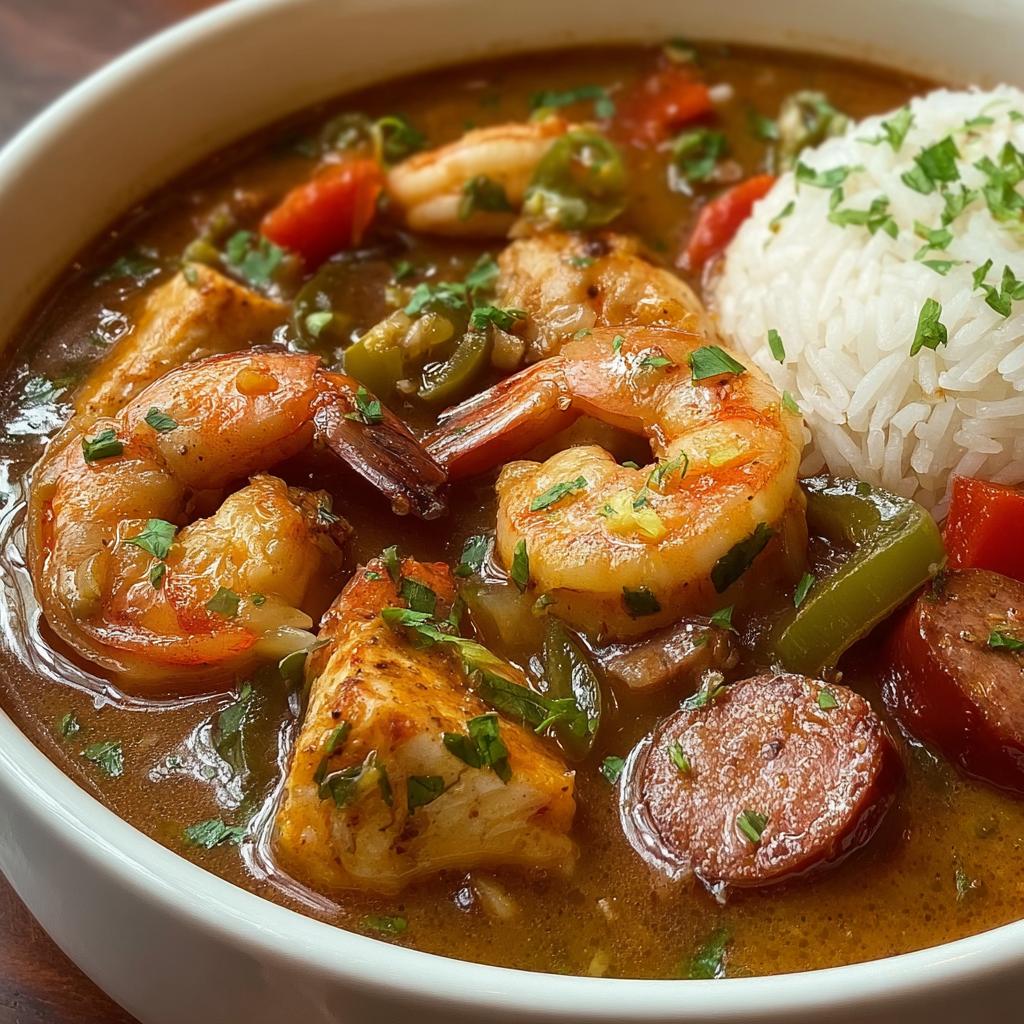
Chicken Shrimp Sausage Gumbo stands out with its medley of proteins, anchored by a thick, savory roux that lends depth to every spoonful. The layering of flavors transforms simple ingredients into an unforgettable meal that warms the soul.
This recipe takes you through the essentials of preparing a gumbo that celebrates the bold and vibrant essence of Southern cooking. Gather your ingredients, and let’s create a pot of gumbo that will impress family and friends alike.
Ingredients
- 1/2 cup vegetable oil
Vegetable oil serves as the base for the roux, which is essential for achieving the dish's signature flavor. By using this oil, you can manage the heat effectively during the roux preparation. - 1/2 cup all-purpose flour
The flour combines with the oil to form the roux, which thickens the gumbo and adds a nutty, deep flavor profile. The color of the roux varies from light golden to dark brown, influencing the final taste of the dish. - 1 large onion, diced
Onions are the foundation of flavor in many dishes, including gumbo. When sautéed, they release their natural sweetness and contribute to the aromatic base that enhances the overall taste. - 1 green bell pepper, diced
Green bell pepper adds freshness and crunch to the gumbo while blending with the other aromatics. Its slight bitterness also counterbalances the richness of the meats and roux. - 2 celery stalks, diced
Celery introduces an earthy component to the gumbo and complements the other vegetables. Its texture adds substance, while its subtle flavor profile rounds out the dish. - 4 cloves garlic, minced
Garlic brings a soulful aroma and depth of flavor to the gumbo. Its pungency pairs beautifully with the seasonings, enhancing the overall profile of the dish. - 1 pound andouille sausage, sliced
Andouille sausage is key to gumbo, contributing a spicy and smoky flavor that helps build the base. It's a staple in Southern cuisine, giving the dish its signature kick. - 1 pound chicken thighs, boneless and skinless, diced
Chicken thighs add richness and a tender texture to the gumbo. They hold up well during the long cooking process, ensuring a juicy, flavorful result. - 1 pound shrimp, peeled and deveined
Shrimp adds a delicate sweetness and a tender bite that contrasts well with the robust flavors of the sausage and chicken. They cook quickly, making them a key finishing touch. - 4 cups chicken stock
Chicken stock serves as the liquid foundation of gumbo, infusing it with a savory richness. Homemade stock is preferable, but store-bought is a convenient option. - 2 cups okra, sliced
Okra is a traditional ingredient in gumbo that acts as a natural thickener while adding a unique flavor and texture. Its distinctive taste is integral to the dish's character. - 2 teaspoons Cajun seasoning
Cajun seasoning energizes the dish with layers of flavor from spices like paprika, cayenne, and garlic powder. It represents the heart of the gumbo's vibrant taste. - Salt and pepper to taste
Seasoning at the end with salt and pepper ensures the flavors are balanced. Adjusting the seasoning to your preference enhances the overall enjoyment of the gumbo. - 2 cups cooked white rice, for serving
Serving gumbo over rice helps to absorb the rich broth and adds substance to the dish. It is a traditional companion that complements the flavors beautifully.
Directions & Preparation
Step 1: Prepare the roux by heating oil and whisking in flour.
Heating the oil over medium heat and gradually whisking in flour creates the roux, which is the backbone of gumbo. Stir constantly to prevent burning, and aim for a rich, dark color, which can take about 20-30 minutes. The roux's depth adds complexity to the gumbo's flavor profile.
Step 2: Add the onions, bell pepper, celery, and garlic to the roux.
Once the roux reaches the desired color, mix in the onions, bell pepper, celery, and garlic. This step infuses the roux with aromatic vegetables, creating the 'holy trinity' of Cajun cooking. Sauté until the vegetables soften, about 5-7 minutes.
Step 3: Incorporate the sausage and chicken, cooking until browned.
Add the andouille sausage and diced chicken to the pot, stirring to coat them in the roux. Searing the meat enhances its flavor and texture, allowing the spices to meld beautifully. Cook for about 5-8 minutes until browned.
Step 4: Pour in the chicken stock and bring to a simmer.
Pouring in the chicken stock loosens the mixture from the bottom of the pot, releasing any flavorful bits stuck there. Bring it to a gentle simmer, allowing the flavors to meld, about 15 minutes.
Step 5: Stir in okra and Cajun seasoning.
Add the sliced okra and Cajun seasoning, which introduces the gumbo's classic flavors and texture. Okra also acts as a natural thickener, and combining it at this stage allows it to cook through without becoming slimy. Simmer again for another 10-15 minutes.
Step 6: Add the shrimp in the final 5 minutes of cooking.
Shrimp cooks quickly, so adding it towards the end ensures it remains tender and juicy. Stir gently into the gumbo for about 5 minutes until they turn pink and opaque. Overcooked shrimp can become tough, so keep an eye on them.
Step 7: Adjust seasoning and serve over cooked rice.
Taste the gumbo and adjust the seasoning with salt and pepper according to your preference. Serving the gumbo over cooked white rice allows for a delightful contrast in texture, soaking up the flavorful broth for a comforting meal.
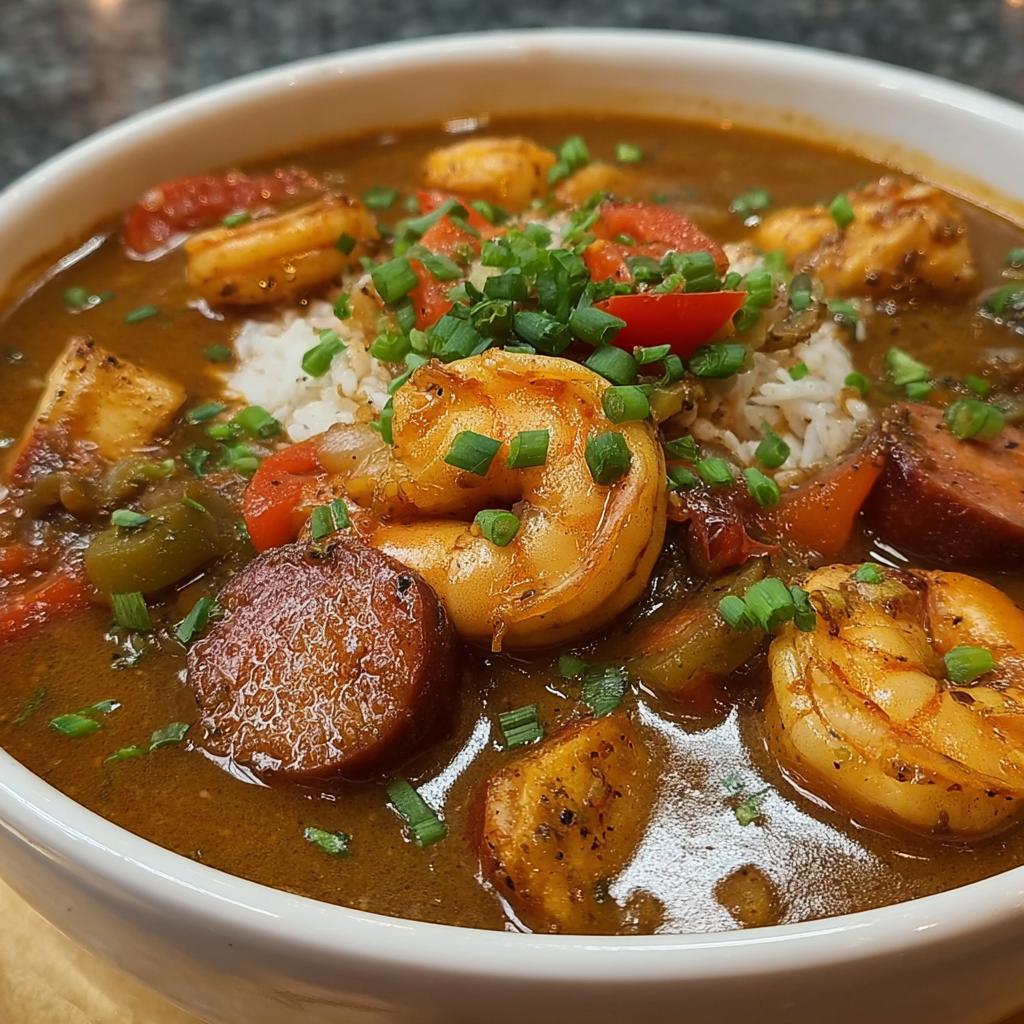
The Art of Achieving the Perfect Roux
Creating the perfect roux is central to a flavorful gumbo. The key to achieving the right texture and color lies in patience; stirring constantly prevents burning, while the gradual heat allows for a deep, nutty aroma to develop. A darker roux will impart a richer flavor, but it requires vigilance to avoid letting it get too dark. Mastering this technique is essential for elevating your gumbo.
Choosing the Right Sausage for Authenticity
Andouille sausage is a traditional choice for gumbo, providing a distinctive smoky flavor that enhances the entire dish. While purchasing pre-made sausage maintains convenience, it’s worthwhile to invest in high-quality sausage from a local butcher for authenticity. The spices vary by brand, so trying different options can help you discover your preferred flavor profile.
Layering Flavor: The Role of Seasoning
Seasoning is crucial when crafting the complexities of gumbo. Start with the base by relying on the Cajun seasoning, but don't hesitate to adjust according to personal taste. Consider experimenting with herbs like thyme or bay leaves for added depth. It’s important to taste throughout the cooking process, as flavors develop over time, creating a delightful balance in the final dish.
FAQs
What if my gumbo is too thick?
If your gumbo turns out too thick, you can easily adjust it by adding more chicken stock or water, stirring until you reach your desired consistency. Be sure to allow it to simmer for a few more minutes to blend the flavors.
Can I substitute shrimp with fish?
Yes, you can substitute shrimp with firm white fish, such as cod or snapper. Add the fish later in the cooking process to ensure it doesn’t overcook and loses its texture.
How can I make my gumbo spicier?
To add heat, consider increasing the amount of Cajun seasoning or adding hot sauce to taste. You can also include sliced jalapeños or cayenne pepper for an extra kick.
What should I do if the flavors are too bland?
If your gumbo lacks flavor, try adjusting the seasoning. Adding more Cajun seasoning, salt, or even a splash of Worcestershire sauce can enhance the overall taste significantly.
Can I add more vegetables to the gumbo?
Absolutely! Feel free to include additional vegetables like bell peppers, tomatoes, or even corn to add variety and texture. Just be sure to adjust cooking times based on the nature of the veggies.
Is there a way to make this dish vegetarian?
For a vegetarian gumbo, omit the meat and sausage, using vegetable stock instead of chicken stock. Incorporate hearty vegetables like mushrooms and chickpeas for added substance and flavor.
Conclusion
Chicken Shrimp Sausage Gumbo is more than just a meal; it’s a celebration of culture, flavor, and community. With each bowl, you’ll find yourself immersed in the traditions and history of Louisiana cuisine.
As you savor this dish, remember that cooking gumbo is an opportunity to share and create memories. Experiment with your ingredients and flavors, and you’ll find that the heart of gumbo truly lies in the love you put into it.
Recipe Card
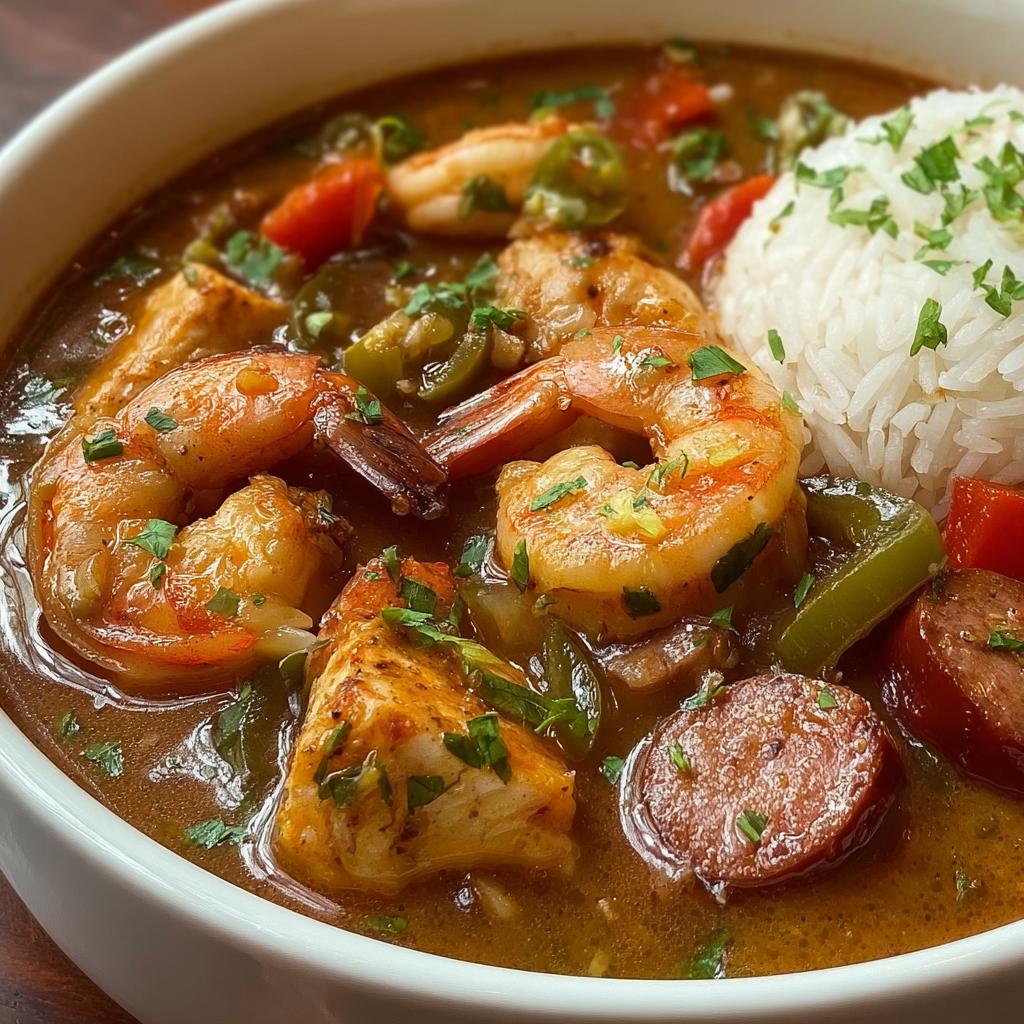
Savor the Richness of Chicken Shrimp Sausage Gumbo
Ingredients
Method
- Prepare the roux by heating oil and whisking in flour.
- Add the onions, bell pepper, celery, and garlic to the roux.
- Incorporate the sausage and chicken, cooking until browned.
- Pour in the chicken stock and bring to a simmer.
- Stir in okra and Cajun seasoning.
- Add the shrimp in the final 5 minutes of cooking.
- Adjust seasoning and serve over cooked rice.
Tried this recipe?
Let us know how it was!Notes
Additional serving suggestions: pair with a crisp salad, garlic bread, or roasted seasonal vegetables for balance.
For make-ahead, prep components separately and assemble just before heating to preserve texture.
Taste and adjust with acid (lemon/vinegar) and salt right at the end to wake up flavors.