Introduction
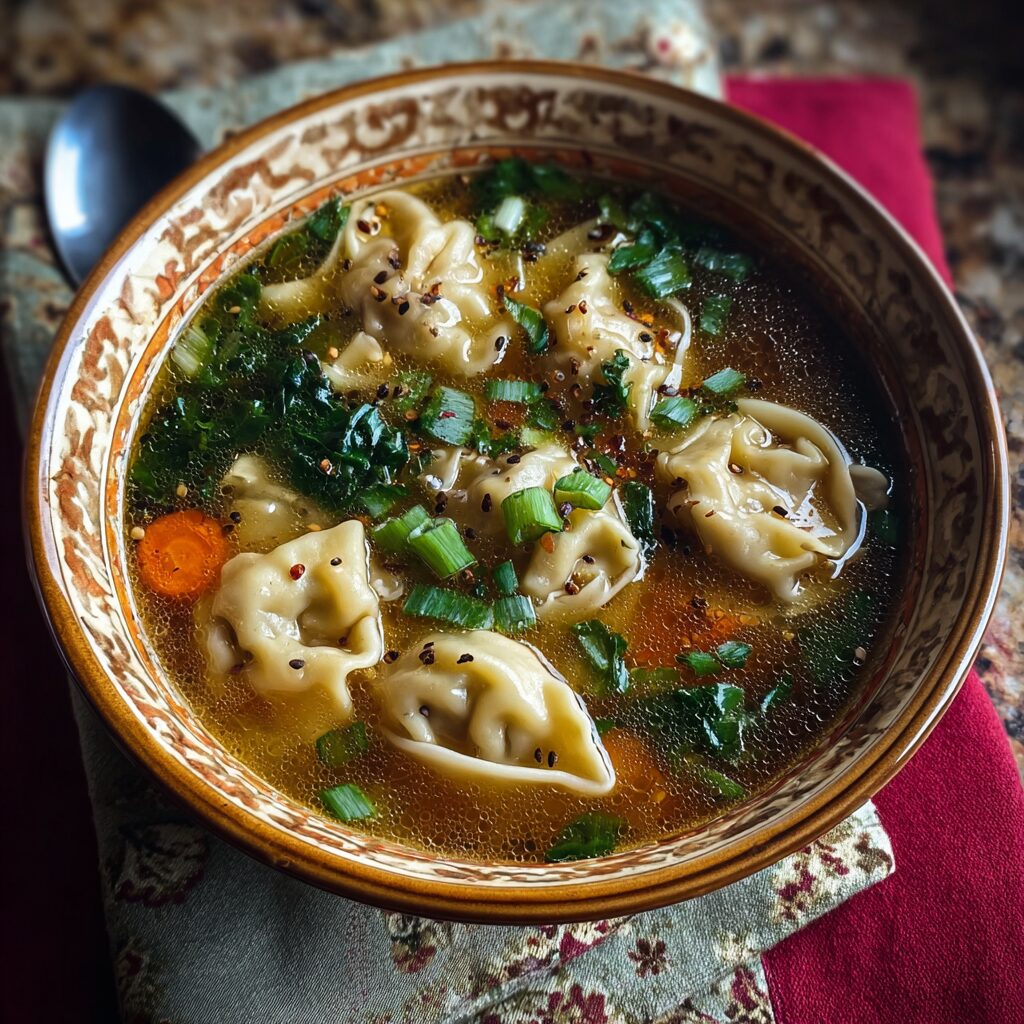
There’s something inherently comforting about a warm bowl of soup, especially when it features delicious potstickers nestled in a flavorful broth. The union of these two favorites in one dish elevates weeknight dinners or chilly afternoons.
Homemade Potsticker Soup offers a perfect blend of textures and flavors. Each bite delivers the satisfying chew of potstickers, complemented by vibrant vegetables and a rich broth. This recipe invites you into the kitchen to create a nourishing meal that the whole family will love.
Ingredients
- 1 tablespoon vegetable oil
Used for sautéing, vegetable oil provides a neutral base for cooking aromatics like garlic and ginger, enhancing the overall flavor of the broth. Its high smoke point allows for even cooking without burning. - 1 tablespoon ginger, grated
Ginger adds a warm, spicy note that brightens the soup and balances the richness of the potstickers. Grating releases its refreshing essential oils, infusing the broth with zingy fragrance. - 4 cloves garlic, minced
Minced garlic provides a savory depth to the broth and aromatic elements to the dish. Its flavor melds well with ginger, creating a flavorful base that sets the stage for the additional ingredients. - 6 cups chicken or vegetable broth
The broth serves as the heart of the soup, imparting moisture and rich flavor. Using high-quality broth will elevate the taste significantly; homemade is preferable for a deeply satisfying finish. - 1 tablespoon soy sauce
Soy sauce introduces umami, balancing sweetness and saltiness. It deepens the color and flavor of the broth, making it more complex and appealing. - 1 tablespoon rice vinegar
Rice vinegar adds a tangy brightness that lifts the broth, counteracting richness. This subtle acidity will enhance the overall flavor profile, making every spoonful exciting. - 1 tablespoon sesame oil
Sesame oil brings a nutty aroma and taste that elevates the dish's richness. Adding it at the end of cooking enhances its flavor without losing its delicate qualities from heat. - 2 cups baby spinach leaves
Baby spinach contributes a vibrant color and tender greens that add both freshness and nutrition. The leaves wilt quickly, preserving their nutrients while enhancing the aesthetic appeal. - 1 cup shredded carrots
Shredded carrots provide sweetness and crunch, adding color and texture to the soup. They cook quickly, becoming tender while retaining a nice bite, complementing the potstickers. - 1 cup sliced mushrooms
Sliced mushrooms provide an earthy flavor and meaty texture that enriches the broth. They also absorb flavors well, making them a wonderful addition to any soup. - 12 frozen potstickers
The star of the show, frozen potstickers, simplify the recipe by requiring minimal preparation while adding a hearty component. They cook quickly in the broth, infusing the soup with their savory filling. - Sliced green onions for garnish
Sliced green onions add a fresh, sharp note as a garnish, contrasting the warm soup. They provide a pop of color and enhance visual appeal.
Directions & Preparation
Step 1: Heat the vegetable oil in a large pot over medium heat.
Starting with the right temperature for your pot ensures that the aromatics cook evenly without burning. Sautéing ginger and garlic in the hot oil releases their essential oils, creating a fragrant and flavorful base for your soup.
Step 2: Add the ginger and garlic, sautéing until fragrant, about 1-2 minutes.
Sauté until fragrant, but be cautious not to let them brown. This step is crucial; browned garlic can turn bitter, and sautéing at the right temperature will bring out the full spectrum of flavors and scents, creating an aromatic foundation.
Step 3: Pour in the chicken or vegetable broth and soy sauce.
Gradually adding the broth helps to deglaze the pot, scraping any bits stuck from the aromatics and capturing all flavor deposits. Incorporating soy sauce at this stage allows the broth to meld with its umami flavor right from the beginning, resulting in a cohesive final product.
Step 4: Bring the mixture to a boil.
Boiling the broth before adding the potstickers ensures that they cook evenly and thoroughly. This step helps to infuse the flavors throughout the liquid, allowing the spices to permeate and prepare a rich environment for the potstickers.
Step 5: Gently add the frozen potstickers to the broth.
Carefully adding the frozen potstickers prevents them from breaking apart. Stirring gently is essential to allow them to cook without crowding, ensuring they’re heated through evenly while absorbing the broth's savory notes.
Step 6: Reduce the heat to a simmer and allow cooking according to package instructions, usually 5-7 minutes.
Simmering allows the flavors to meld without the potstickers becoming mushy. Following the package instructions for the potstickers is vital for ensuring they are cooked through while maintaining their texture, providing a satisfying bite.
Step 7: Add the spinach, carrots, and mushrooms, cooking for an additional 2-3 minutes.
Adding the veggies later in the cooking process preserves their color, texture, and nutritional value. This step brings life and freshness to the soup, ensuring every bite is enriched with vibrant flavors and textures that balance the heartiness of the potstickers.
Step 8: Stir in the sesame oil and taste for seasoning.
Incorporating sesame oil at the end preserves its aromatic qualities. Tasting and adjusting the seasoning at this point is crucial to achieving a balance in flavors; a dash of salt or pepper might be all it needs to elevate the dish.
Step 9: Serve hot in bowls, garnished with sliced green onions.
Presenting the soup in bowls allows for individual servings, and garnishing with green onions enhances color and freshness. This final touch not only adds visual appeal but also provides a contrasting crunch to the soft textures of the soup.

Elevate Your Broth with Homemade Variations
While store-bought broth is convenient, crafting your own at home can intensify the flavors significantly. By simmering leftover bones, vegetable scraps, and aromatics for several hours, you create a rich, complex broth that's uniquely yours. Use this as a base for your potsticker soup, deepening its overall taste and adding a personal touch that store varieties cannot replicate.
Potstickers: Store-Bought or Homemade?
Frozen potstickers offer incredible convenience, but making your own can be a fun weekend project that’s well worth the effort. Homemade potstickers allow you to customize fillings and create a fresh taste. If you venture into making them, ensure to freeze them in a single layer before transferring to bags. This method allows for easy cooking directly from the freezer into your soup.
Add a Kick with Spicy Elements
For those who enjoy a bit of heat, spicing up your potsticker soup is a delightful option. Consider adding sliced jalapeños, a drizzle of chili oil, or a spoonful of sriracha to the broth during cooking. This not only elevates the flavor profile but also creates a more exciting eating experience, making every bowl unique and tailored to your palate.
FAQs
What if my soup tastes too bland?
If the soup lacks flavor, consider a splash more soy sauce, a pinch of salt, or additional seasoning such as garlic powder or oyster sauce to enhance the savory profile. Always taste your soup before serving for the best results.
How can I adjust the soup if it turns out too thick?
If your soup is thicker than desired, simply add more broth or water gradually until it reaches your preferred consistency. Stir well to incorporate, and allow on low heat for a few minutes to blend the flavors as needed.
What vegetables can I substitute in this recipe?
You can swap out the spinach for kale or Swiss chard, and use any type of mushrooms you have on hand. For added crunch, water chestnuts can replace shredded carrots, adjusting as per your taste preferences.
Can I use fresh potstickers instead of frozen?
Yes, fresh potstickers can be used, but they may require shorter cooking times. Keep an eye on them to avoid overcooking, which can lead to a mushy texture.
What can I do if my soup is too salty?
If your soup turns out overly salty, adding more vegetables or a splash of unsalted broth can help dilute the salinity. Alternatively, a small potato can absorb some saltiness while it cooks in the soup.
How can I make this soup more filling?
To make the soup heartier, consider adding cooked noodles or rice. These additions complement the potstickers and enhance the overall meal, making it even more satisfying.
Conclusion
Homemade Potsticker Soup is not just a delightful dish; it’s a journey into flavor and creativity. Each ingredient you choose plays a role in crafting a comforting, satisfying experience that warms both the body and soul.
Whether you opt for store-bought potstickers for convenience or embark on the adventure of making your own, this recipe is bound to become a staple in your culinary repertoire. Enjoy the warmth and comfort of each spoonful as you gather around the table.
Recipe Card
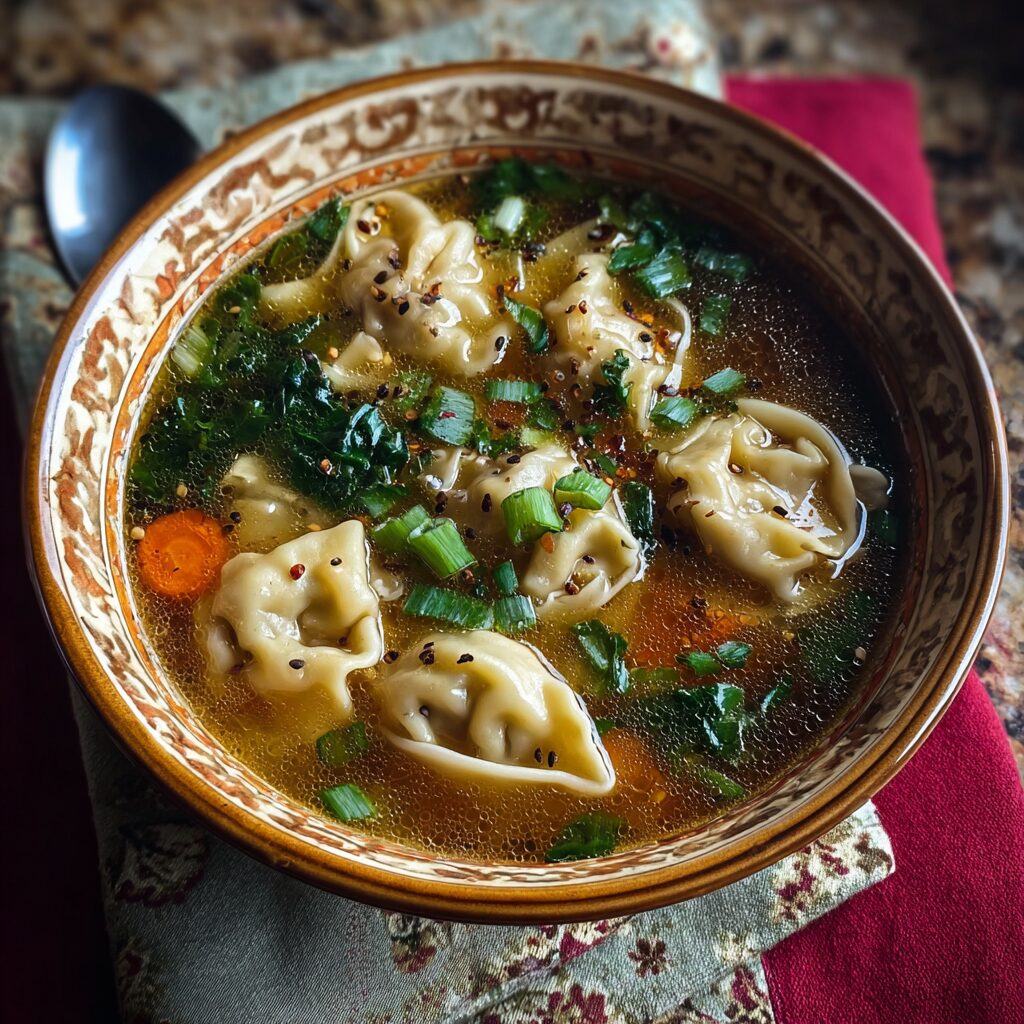
Savor the Comfort of Homemade Potsticker Soup
Ingredients
Method
- Heat the vegetable oil in a large pot over medium heat.
- Add the ginger and garlic, sautéing until fragrant, about 1-2 minutes.
- Pour in the chicken or vegetable broth and soy sauce.
- Bring the mixture to a boil.
- Gently add the frozen potstickers to the broth.
- Reduce the heat to a simmer and allow cooking according to package instructions, usually 5-7 minutes.
- Add the spinach, carrots, and mushrooms, cooking for an additional 2-3 minutes.
- Stir in the sesame oil and taste for seasoning.
- Serve hot in bowls, garnished with sliced green onions.
Tried this recipe?
Let us know how it was!Notes
Additional serving suggestions: pair with a crisp salad, garlic bread, or roasted seasonal vegetables for balance.
For make-ahead, prep components separately and assemble just before heating to preserve texture.
Taste and adjust with acid (lemon/vinegar) and salt right at the end to wake up flavors.