Introduction
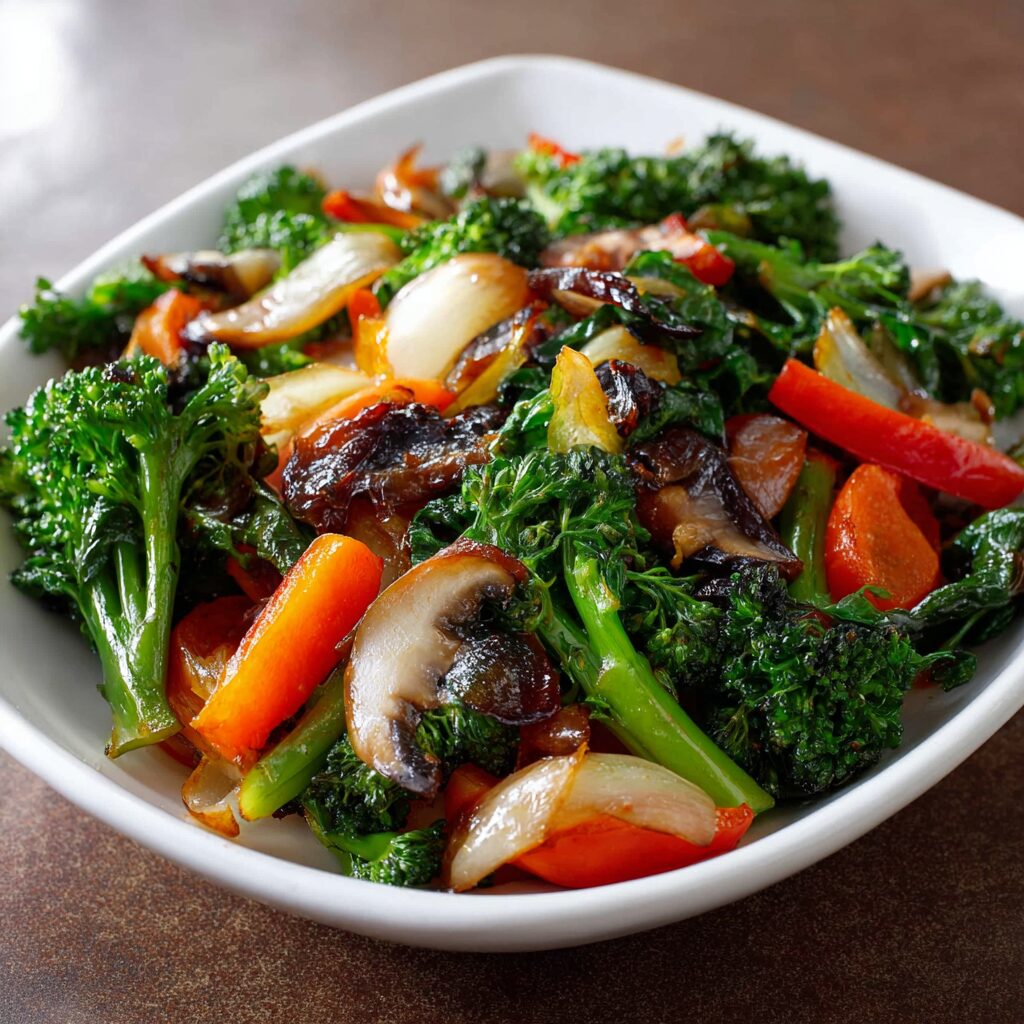
Sautéed vegetables can be the star of any meal or the perfect side dish. Packed with nutrients and vibrant colors, they not only enhance the visual appeal of your plate but also boost its flavor profile. This method keeps vegetables crisp, preserving their essential nutrients and natural sweetness.
In just minutes, you can transform an array of fresh produce into a delicious and healthy dish that complements any cuisine. Whether it's a busy weeknight dinner or a leisurely weekend meal prep, sautéing is a versatile technique that allows for creativity and adaptability.
Ingredients
- 2 tbsp olive oil (or avocado oil)
Oil is crucial for sautéing as it helps cook the vegetables evenly while also preventing them from sticking to the pan. Olive oil adds a rich flavor, enhances the nutritional profile with healthy fats, and aids in the absorption of fat-soluble vitamins. - 2 cloves garlic, minced
Garlic infuses the dish with aromatic depth and a distinct flavor that elevates the overall taste. Its health benefits include anti-inflammatory properties and boosting the immune system, making it an excellent addition to any vegetable dish. - 1 cup broccoli florets
Broccoli offers a delightful crunch and is packed with vitamins K and C, as well as fiber. Its vibrant color and unique texture make it a visual and nutritious staple in sautéed mixes. - ½ cup snap peas
Snap peas add sweetness and a satisfying crispness to the dish. They are low-calorie yet full of nutrients, including vitamins A, C, and K, and are a great source of fiber. - ½ cup mushrooms, sliced
Mushrooms enhance umami flavor, providing earthiness and a meaty texture. They are an excellent source of antioxidants and help boost the nutritional value of your vegetable medley. - 1 tsp lemon juice (optional)
Lemon juice brightens the dish and enhances the other flavors, giving the vegetables a fresh, zesty finish. Its acidity can also help balance richer ingredients. - 1 tsp balsamic vinegar or soy sauce (optional)
Both balsamic vinegar and soy sauce add depth and complexity through their sweet and savory notes. They can also help to coat the vegetables, ensuring every bite is flavorful.
Directions & Preparation
Step 1: Prep Vegetables: Wash and cut all vegetables into uniform pieces.
Uniformity in size ensures even cooking, preventing some vegetables from becoming mushy while others remain raw. Clean all produce well to remove any dirt or residues. Consider chopping vegetables with care, as their shapes will contribute to the visual appeal of the final dish.
Step 2: Heat Pan: Place a large skillet over medium-high heat and add olive oil.
Heating the pan properly before adding oil is essential; a hot surface helps achieve a nice sear on the vegetables. Once the oil shimmers, it indicates the right temperature for sautéing, ensuring your vegetables cook quickly while retaining their crispness.
Step 3: Cook Aromatics: Add minced garlic; sauté for about 1–2 minutes until fragrant.
Cooking garlic first allows its essential oils to release, creating a flavorful base for your sauté. Be cautious not to let it burn, as burnt garlic can become bitter. When the kitchen fills with its aroma, it’s time to move on to the vegetables.
Step 4: Add Harder Vegetables: Introduce broccoli and any other harder vegetables; sauté them for 3–4 minutes, stirring frequently.
Starting with harder vegetables like broccoli ensures they get enough cooking time to become tender without losing their texture. Stirring frequently promotes even cooking and helps caramelize the edges for added flavor.
Step 5: Add Softer Vegetables: Now add snap peas, mushrooms, and any softer vegetables; sauté for another 4–5 minutes until crisp-tender.
Softer vegetables require less cooking time, so adding them after the harder ones allows everything to finish cooking together perfectly. Keep an eye on their texture; they should be vibrant and tender but not mushy.
Step 6: Season: Sprinkle salt, pepper, and optional flavorings like lemon juice or balsamic vinegar.
Proper seasoning is key to elevating the flavors of your sautéed vegetables. Salt and pepper enhance the natural tastes, while optional flavorings like lemon juice or vinegar provide brightness and complexity to the dish.
Step 7: Finish & Serve: Toss well to combine and serve immediately for best texture.
Serving the sautéed vegetables right away ensures they stay crisp and vibrant. You can finish with fresh herbs, nuts, or seeds for a garnish, adding both flavor and visual appeal to the dish.

Seasonal Vegetable Variations
Sautéed vegetables are an excellent way to utilize seasonal produce. In spring, consider adding asparagus and peas, while summer can include zucchini and corn. Fall might inspire the addition of root vegetables like carrots and sweet potatoes, and winter could see hearty greens like kale added to the mix. Embrace what’s available to create a refreshing seasonal dish.
Boosting Flavor with Herbs and Spices
Fresh herbs like basil, cilantro, or parsley can add an aromatic touch to sautéed vegetables. For an earthy flavor profile, consider incorporating spices such as cumin or smoked paprika. Even a sprinkle of chili flakes can introduce warmth and elevate the dish, making each sauté unique to your taste.
Creative Serving Options
Sautéed vegetables can be served in numerous ways, enhancing your meals creatively. Try them atop a bed of quinoa or brown rice for a nutritious bowl, or mix them into a warm pasta dish. They also make a beautiful filling for omelets or wraps, ensuring you never tire of this healthy cooking method.
FAQs
What should I do if my vegetables are overcooked?
If you've overcooked your vegetables, quickly transfer them to a plate to halt the cooking process. In the future, reduce the heat or cooking time to retain a crisp texture.
Can I use frozen vegetables for sautéing?
Yes, frozen vegetables can be sautéed but make sure to thaw them first. They may release some water; drain off excess moisture before adding them to the pan to ensure a good sear.
What if my sautéed vegetables come out bland?
If the dish lacks flavor, consider boosting it with more seasoning, such as salt and pepper, fresh herbs, or a splash of soy sauce. Adjusting these at the end can enhance the overall taste.
Can I experiment with different oils for sautéing?
Certainly! While olive oil is popular, avocado oil, coconut oil, or even butter can provide distinct flavors and varied nutritional benefits. Choose the one that complements your dish best.
How can I make my vegetables crispier?
To achieve crispiness, avoid overcrowding the pan, as this can steam the vegetables. Sauté in batches if necessary to ensure even cooking and texture.
What other vegetables work well for sautéing?
You can use a plethora of veggies, including bell peppers, zucchini, spinach, or cauliflower. Explore different combinations to find your favorites!
Conclusion
Sautéed vegetables are a quick and versatile way to enjoy the benefits of fresh produce in your meals. With the right ingredients and techniques, you can create a flavorful and healthy dish in no time.
Feel free to experiment with various vegetables and seasonings to make this recipe your own. Whether as a side or the main event, healthy sautéed vegetables can elevate your culinary creations.
Recipe Card
Notes
Additional serving suggestions: pair with a crisp salad, garlic bread, or roasted seasonal vegetables for balance.
For make-ahead, prep components separately and assemble just before heating to preserve texture.
Taste and adjust with acid (lemon/vinegar) and salt right at the end to wake up flavors.