Introduction
Moroccan Chicken Stew is a captivating dish that transports your taste buds to the vibrant streets of Morocco. Infused with spices that celebrate the rich culinary heritage of the region, each bite delivers warmth and comfort.
This stew harmonizes tender chicken with a medley of vegetables and aromatic spices, creating a satisfying meal perfect for any occasion. Whether you’re hosting a dinner party or enjoying a cozy night in, this dish is sure to impress.
Ingredients
- 2 lbs (approximately 900 g) chicken thighs, skinless
Chicken thighs are the ideal choice for this stew due to their rich flavor and tender texture. They also stay moist during the cooking process, providing a comforting bite with every spoonful. - 2 tablespoons olive oil
Olive oil adds healthy fats and a fruity note to the stew. It also helps to sauté the ingredients, enhancing the overall flavor as the ingredients cook together. - 1 large onion, chopped
Onions provide a sweet base flavor that forms the backbone of the stew. They become beautifully aromatic when sautéed, enriching the stew’s overall depth. - 3 cloves garlic, minced
Garlic introduces a robust and savory element to the stew, complementing the spices and enhancing the overall flavor profile. Fresh garlic adds more vibrancy compared to powdered forms. - 2 medium carrots, sliced
Carrots add natural sweetness and a slight crunch to the stew. As they cook down, they release their flavors, creating a balanced harmony with the stew’s spices. - 1 (14 oz [400 g]) can of crushed tomatoes
Crushed tomatoes provide a tangy base that adds acidity and body to the stew. They help to create a rich sauce that envelops the chicken and vegetables. - 2 cups (480 ml) chicken stock
Chicken stock enhances the dish, infusing it with additional savory flavors. Using stock in place of water elevates the stew's depth and richness. - 1 tablespoon ground cumin
Cumin offers a warm, earthy flavor that is traditionally used in Moroccan cuisine. It adds complexity and depth, grounding the dish with its robust aroma. - 1 teaspoon ground cinnamon
Cinnamon contributes a sweet-spicy note, commonly found in Moroccan dishes. Its warmth complements the other spices while adding an exotic flair. - 1 teaspoon ground paprika
Paprika provides both color and a mild sweetness, enriching the stew's visual appeal. Depending on the type, it can also add a slight smokiness. - 1 teaspoon ground coriander
Coriander brings a refreshing and citrusy flavor, which brightens up the overall dish. It balances the warmth of other spices beautifully. - 1/2 teaspoon ground turmeric
Turmeric imparts not only a vibrant color but also a subtle earthiness to the stew. It’s known for its anti-inflammatory properties, contributing both health benefits and taste. - 2 tablespoons dried apricots, chopped
Dried apricots add sweetness and a chewy texture, enhancing the dish's complexity. Their natural sugars balance the savory flavors and create a unique taste experience. - Salt and pepper to taste
Seasoning is crucial to enhance the flavors of the stew. Adjusting salt and pepper helps ensure that every ingredient shines through, resulting in a perfect balance. - Fresh parsley for garnish
Garnishing with fresh parsley adds a pop of color and a fresh, herbal note to the dish. It also provides a visual appeal that makes the stew inviting.
Directions & Preparation
Step 1: Heat olive oil in a large pot over medium-high heat.
Starting with a hot pot is essential for achieving a good sear on the chicken. This step develops the foundational flavors by allowing the oil to shimmer before adding chicken, ensuring a flavorful crust forms.
Step 2: Season the chicken thighs with salt and pepper, then sear for about 5 minutes per side until golden brown.
Searing the chicken creates a caramelized exterior that locks in moisture and enhances flavor. It's important not to overcrowd the pan, as this can prevent proper browning.
Step 3: Remove the seared chicken from the pot and set aside on a plate.
Setting aside the chicken after searing helps retain its juices. This step prevents overcooking and allows you to focus on building the stew base with the vegetables.
Step 4: Add the chopped onion and minced garlic to the pot, sautéing until softened.
Cooking the onions and garlic in the same pot helps to deglaze any browned bits, enhancing the stew's flavor. Sauté until the onions are translucent, usually around 5 minutes.
Step 5: Add the sliced carrots and sauté for another 5 minutes.
Incorporating carrots at this stage allows them to soften and start releasing their natural sweetness into the stew. It's important to stir occasionally to prevent sticking.
Step 6: Stir in the spices: cumin, cinnamon, paprika, coriander, and turmeric, and cook for 1 minute.
Blooms the spices by toasting them in the oil, which enhances their flavors. This crucial step infuses the dish with warmth and complexity.
Step 7: Pour in the crushed tomatoes and start to simmer for about 5 minutes.
Allowing the tomatoes to simmer mingles their flavors with the sautéed vegetables, creating a rich sauce. This step also takes advantage of natural acidity to balance the dish.
Step 8: Add the chicken stock, dried apricots, and seared chicken back into the pot.
Bringing all elements together at this step ensures that the chicken absorbs the sauce's flavors. It also allows the dried apricots to soften, enriching the stew further.
Step 9: Cover the pot with a lid and simmer for 30-40 minutes, stirring occasionally.
Simmering the stew allows the chicken to become tender and absorb the aromatic spices. Regular stirring prevents sticking and ensures even cooking across all ingredients.
Step 10: Remove the pot from heat, shred the chicken using two forks, and return it to the pot.
Shredding the chicken increases its surface area, allowing it to soak up more sauce. This step enhances overall flavor while providing a delightful texture in the stew.
Step 11: Taste and adjust seasoning with salt and pepper if needed, then garnish with fresh parsley before serving.
Final seasoning is important to balance flavors before serving. Garnishing with parsley not only adds a fresh note but visually elevates the dish, making it more appealing.

Infusing Authentic Moroccan Flavors
To truly capture Moroccan cuisine, it's essential to use spices that characterize its unique palate. The blend of cumin, coriander, and cinnamon creates a fragrant base that evokes the essence of Morocco. By adhering to traditional ratios, you can achieve an authentic flavor profile, allowing the spices to develop as they mingle with the chicken, creating a rich and inviting aroma.
Customizing Your Stew Vegetables
While this recipe features carrots and onions, it offers a wonderful opportunity to tailor your stew with your favorite vegetables. Options like bell peppers, zucchini, or chickpeas can be included for personalized flavor and texture. Experimenting allows you to add seasonal vegetables or those you enjoy most, making this dish not only versatile but also a canvas for your creativity.
Enhancing Sweetness with Dried Fruits
Utilizing dried fruits like apricots or dates adds a natural sweetness that beautifully balances the savory spices. These fruits not only contribute flavor but also provide a delightful texture contrast. As they cook, they melt into the stew, enriching the sauce. The incorporation of dried fruits is a hallmark of Moroccan cuisine, bringing sweetness to the forefront.
FAQs
What can I do if my stew is too thick?
If your stew is too thick, gradually add additional chicken stock or water until you reach your desired consistency. Stir well to incorporate the liquid.
Can I use boneless chicken breasts instead of thighs?
Yes, boneless chicken breasts can be used, but they might require less cooking time. Adjust the cooking duration accordingly to prevent them from drying out.
What spices can I add to deepen the flavor?
To deepen the flavor of the stew, consider adding a pinch of cayenne pepper for heat, or a dash of allspice for a nuanced depth that complements the existing spices.
Can I incorporate other proteins besides chicken?
Yes, this stew can be adapted with lamb or beef, just be mindful of the cooking time, as larger cuts of meat may require longer to become tender.
What should I do if my stew tastes bland?
If your stew lacks flavor, try adjusting the seasonings with additional salt or spices. You could also add a squeeze of fresh lemon juice to enhance brightness.
How can I add a spicy kick to my stew?
To introduce some heat, add chopped chili peppers or a sprinkle of cayenne pepper while simmering. Start with small amounts, as you can always add more.
Can I use fresh tomatoes instead of canned for this recipe?
Yes, fresh tomatoes can be used, though you may need to peel and chop them. You'll also need to cook them down longer to create the sauce consistency.
Conclusion
Moroccan Chicken Stew is not just a meal; it’s an experience that captures the splendor of Moroccan cuisine. The combination of spices, tender chicken, and vibrant vegetables creates a warming dish that’s perfect for sharing.
By exploring this recipe, you can bring the essence of Moroccan dining into your home, delighting your family and friends with each delicious bite. Enjoy every moment of this flavorful journey!
Recipe Card
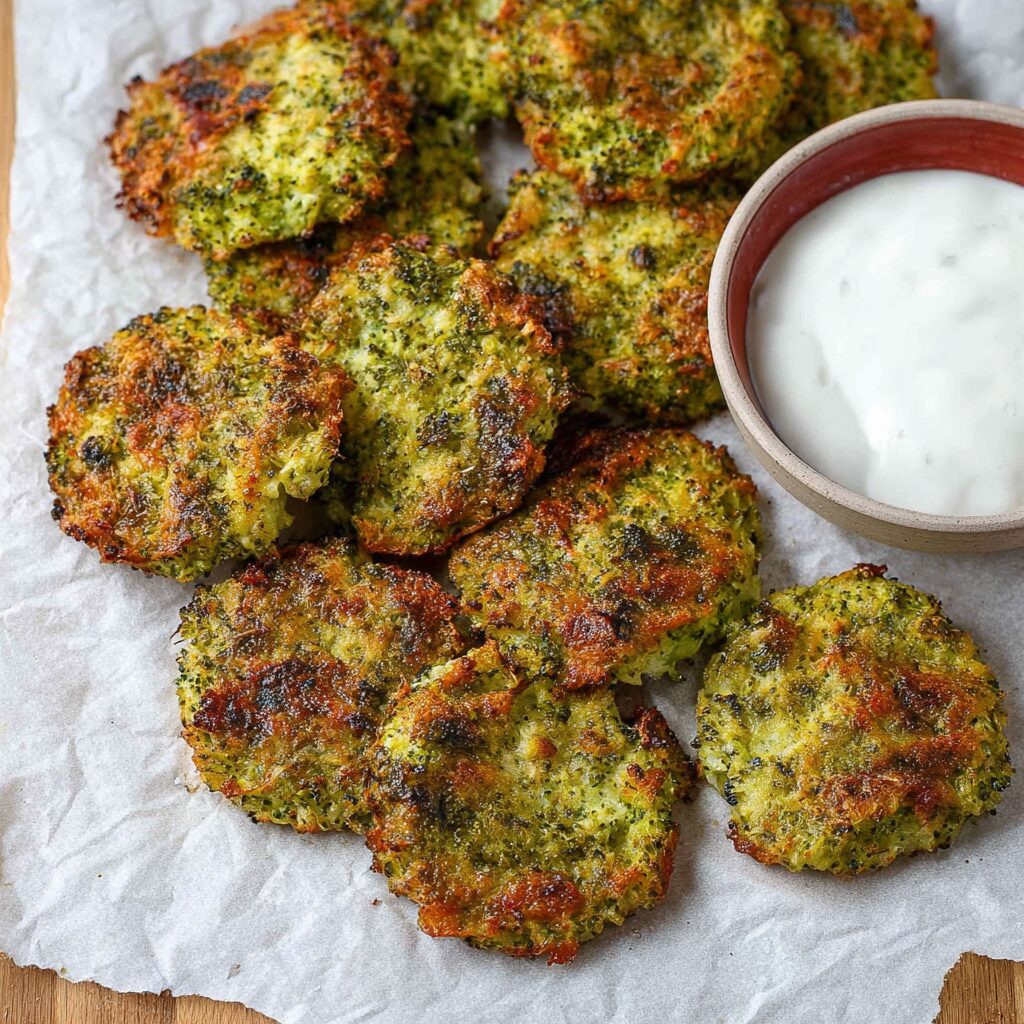
Deliciously Healthy Baked Broccoli Bites
Ingredients
Method
- Preheat your oven to 400°F (200°C).
- Prepare the broccoli by steaming it lightly until just tender, about 3-4 minutes.
- Let the steamed broccoli cool, then chop it finely.
- In a mixing bowl, combine the chopped broccoli, Parmesan cheese, breadcrumbs, egg, garlic powder, salt, and pepper.
- Shape the mixture into small balls or patties, about 1-2 inches in diameter, and place them on a parchment-lined baking sheet.
- Bake in the preheated oven for 20-25 minutes, or until golden brown and crispy.
- Remove from the oven and allow to cool for a few minutes before serving.
Tried this recipe?
Let us know how it was!Notes
Additional serving suggestions: pair with a crisp salad, garlic bread, or roasted seasonal vegetables for balance.
For make-ahead, prep components separately and assemble just before heating to preserve texture.
Taste and adjust with acid (lemon/vinegar) and salt right at the end to wake up flavors.