Introduction
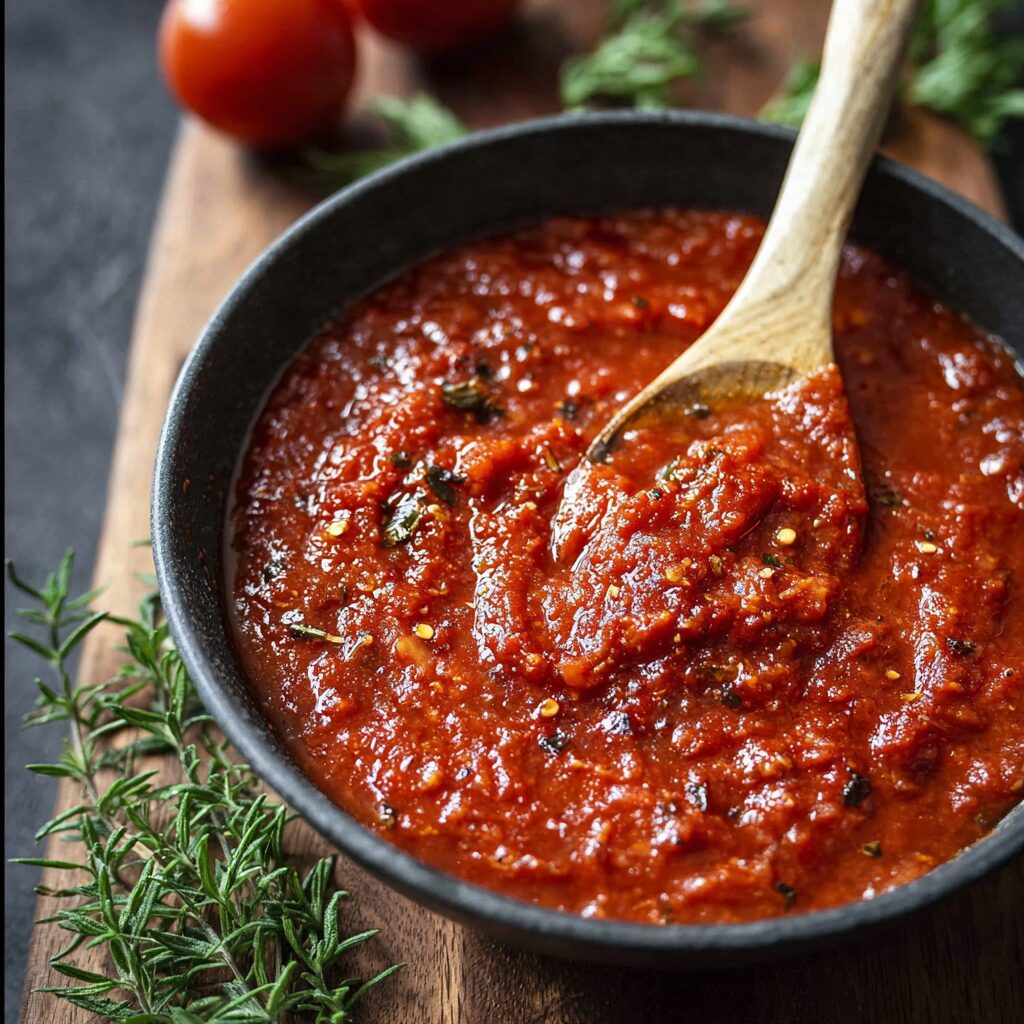
Marinara sauce is a staple in Italian cuisine and serves as a foundational sauce for countless dishes. Its simplicity is its beauty, relying on fresh ingredients to create a rich, flavorful experience. Making your own marinara not only enhances your dishes but also allows you to customize the flavors to your liking.
In its most basic form, marinara is a tomato-based sauce enriched with herbs, garlic, and sometimes onion. The key to a great marinara lies in the quality of its ingredients and the balance of flavors. This recipe will guide you in crafting a vibrant and aromatic sauce that can elevate everything from pasta to pizza.
Ingredients
- 2 tablespoons olive oil
Olive oil serves as the base for sautéing ingredients and adds richness to the sauce. It also contributes to the overall flavor profile, creating a luscious mouthfeel. - 1 medium onion, finely chopped
Onion adds a foundational sweetness and depth to the sauce. When sautéed, it caramelizes and provides a savory backbone that balances the acidity of the tomatoes. - 4 cloves garlic, minced
Garlic infuses the sauce with a delightful aroma and robust flavor. It adds warmth and complexity, making the sauce more aromatic and inviting. - 1 can (28 oz) crushed tomatoes
Crushed tomatoes are the star ingredient, providing the body of the sauce. They offer a sweet and tangy flavor, crucial for a rich marinara. - 1 teaspoon sugar
Sugar helps to balance the acidity of the tomatoes, enhancing the overall flavor of the sauce. It rounds out the taste and brings harmony to the dish. - 1 teaspoon dried oregano
Oregano imparts an earthy and warm flavor that is quintessential in Italian cooking. It enhances the sauce with its herby notes. - 1 teaspoon dried basil
Basil contributes a sweet, aromatic quality to the sauce. It complements the tomatoes beautifully, adding freshness to each bite. - Salt and black pepper to taste
Seasoning is essential for elevating the base flavors of the sauce. Salt enhances taste, while pepper adds a bit of heat and complexity. - Fresh basil for garnish
Fresh basil adds a burst of vibrant flavor and color when used as a garnish. It lends a refreshing touch, making the dish visually appealing and flavorful.
Directions & Preparation
Step 1: Heat the olive oil in a large saucepan over medium heat.
Heating the olive oil first is crucial as it allows you to efficiently sauté the onion and garlic, infusing the oil with their flavors. Make sure the oil shimmers but does not smoke, as overheating can lead to bitter flavors.
Step 2: Add the chopped onion and sauté until translucent, about 5 minutes.
Cooking the onion until translucent softens its sharpness and enhances its sweetness. This step lays the foundation for a flavorful sauce, as the onion’s natural sugars caramelize, creating a sweet and savory profile.
Step 3: Stir in the minced garlic and cook for 1 minute until fragrant.
Adding garlic at this stage ensures it doesn’t burn, which can lead to bitterness. Cooking it just enough to release its aroma enhances the flavor complexity of your sauce.
Step 4: Pour in the crushed tomatoes and bring to a simmer.
Introducing crushed tomatoes will thicken the mixture and create a robust sauce. Bringing it to a simmer helps meld the flavors, allowing the sauce to cook evenly and develop its taste.
Step 5: Add sugar, oregano, basil, salt, and pepper, stirring to combine.
These seasonings are crucial for balancing the acidity of the tomatoes with sweetness and herbal notes. Stirring ensures that each herb permeates the sauce, resulting in a well-rounded flavor.
Step 6: Reduce heat to low and let the sauce simmer for 30 minutes, stirring occasionally.
Simmering allows flavors to deepen and meld together. The gentle heat helps thicken the sauce and enhances its overall richness, giving you a more sophisticated flavor.
Step 7: Taste and adjust seasoning as necessary.
This is your opportunity to personalize the sauce. Checking and adjusting seasoning ensures that the flavor profile aligns with your preference, whether you need more salt, herbs, or sweetness.
Step 8: Serve hot, garnished with fresh basil.
Garnishing with fresh basil not only makes the dish visually appealing but also adds a refreshing flavor contrast. Serve the marinara over your favorite pasta, pizza, or use it as a dipping sauce.

Make Marinara Sauce Your Own
Customizing your marinara sauce can create a unique dish that suits your palate. Consider incorporating red pepper flakes for heat or adding a splash of red wine for depth. Experimenting with different herbs, like thyme or parsley, can also introduce new flavors. Each addition can transform the sauce, turning a simple base into a signature recipe.
Using Fresh Ingredients for Maximum Flavor
The flavor of your marinara sauce is only as good as the ingredients you use. Whenever possible, opt for fresh, high-quality tomatoes and fresh herbs to create a vibrant sauce. Fresh ingredients not only enhance the flavor but also improve the texture, giving your sauce a delightful freshness that dried versions cannot replicate.
Versatility of Marinara Sauce
Marinara sauce is incredibly versatile and can be used for more than just pasta. Use it as a base for lasagna, a dipping sauce for breadsticks, or as a topping for meatballs. Its adaptability allows it to complement various cuisines, making it a perfect companion for countless dishes and elevating your meals to something extraordinary.
FAQs
What should I do if my marinara sauce turns out too thick?
If your sauce is too thick, add a splash of water or vegetable broth while stirring gently until you achieve the desired consistency.
Can I substitute fresh tomatoes for canned in this recipe?
Yes, you can use fresh tomatoes; however, you may need to peel and crush them, and the sauce may require longer cooking time to develop flavors.
How can I add more depth to the flavor of my marinara sauce?
You can enhance the flavor by adding a splash of red wine or simmering with a Parmesan rind for richer taste.
What can I do if I find the sauce too bland?
If your sauce lacks flavor, try adding more salt, herbs, or a drizzle of balsamic vinegar for brightness and depth.
Can I use different herbs in my marinara sauce?
Absolutely! You can experiment with herbs like thyme, rosemary, or fresh basil for varied flavors and aromas.
What is the best way to thin out a marinara sauce that has become too thick?
To thin out a thick marinara, just add small amounts of warm water or broth until you reach the desired consistency.
Conclusion
Crafting your own marinara sauce is a rewarding endeavor that can easily enhance a variety of dishes. The satisfaction of using fresh ingredients and personalizing flavors is unmatched. Remember to taste and adjust as you go, allowing your unique preferences to shine through.
Embrace the versatility of marinara and explore its many uses in your cooking. Whether tossed with pasta, used on pizza, or served as a dipping sauce, your handmade marinara will surely impress and delight.
Recipe Card
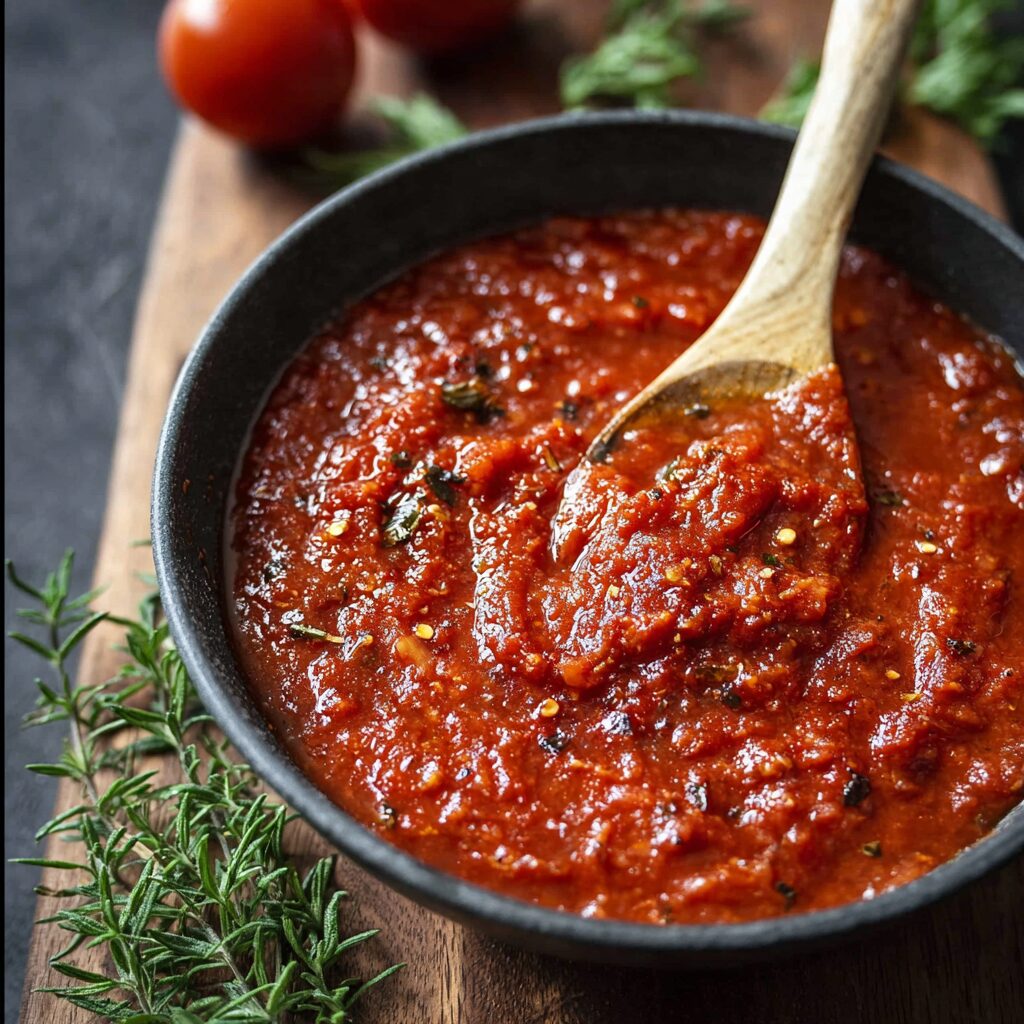
Delicious Marinara Sauce for Your Favorite Dishes
Ingredients
Method
- Heat the olive oil in a large saucepan over medium heat.
- Add the chopped onion and sauté until translucent, about 5 minutes.
- Stir in the minced garlic and cook for 1 minute until fragrant.
- Pour in the crushed tomatoes and bring to a simmer.
- Add sugar, oregano, basil, salt, and pepper, stirring to combine.
- Reduce heat to low and let the sauce simmer for 30 minutes, stirring occasionally.
- Taste and adjust seasoning as necessary.
- Serve hot, garnished with fresh basil.
Tried this recipe?
Let us know how it was!Notes
Additional serving suggestions: pair with a crisp salad, garlic bread, or roasted seasonal vegetables for balance.
For make-ahead, prep components separately and assemble just before heating to preserve texture.
Taste and adjust with acid (lemon/vinegar) and salt right at the end to wake up flavors.