Why You’ll Love It
- These Portuguese Custard Tarts are a delightful blend of creamy custard and flaky pastry that melts in your mouth.
- They’re surprisingly easy to make, with a prep time of just 30 minutes!
- Perfect for impressing guests at dinner parties or enjoying a sweet treat at home.
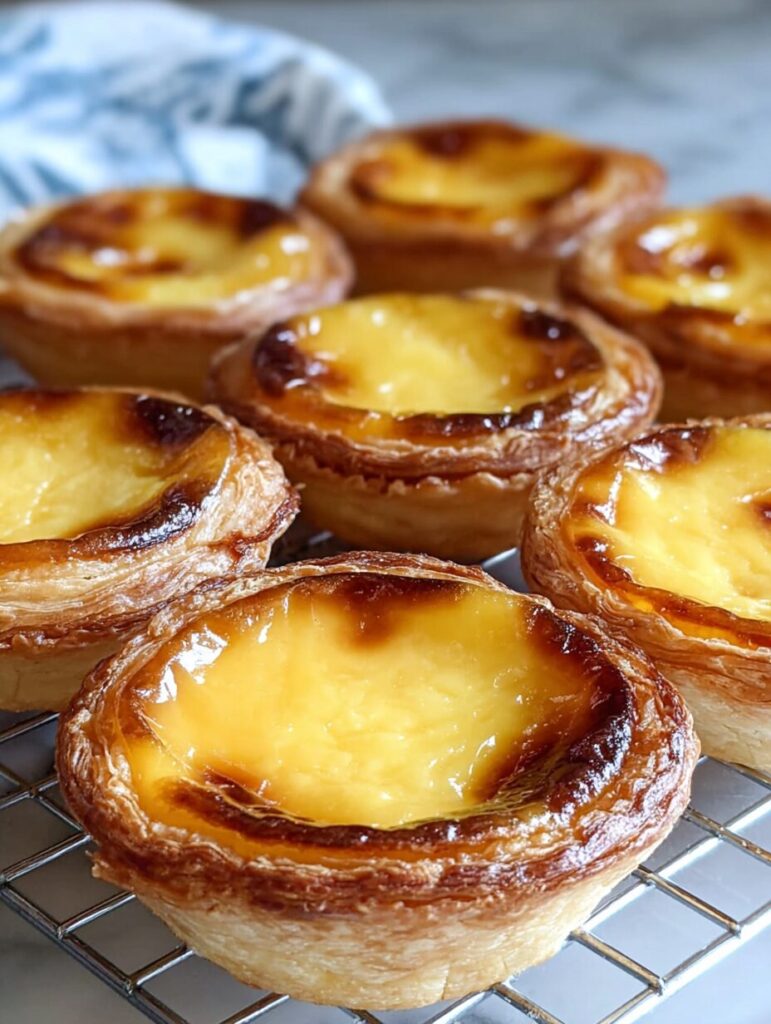
- Each tart is a little piece of heaven, with a caramelized top that adds a touch of elegance.
- They’re vegetarian-friendly, making them a great dessert option for everyone.
- Budget-friendly ingredients mean you can whip up a batch without breaking the bank.
- These tarts are best served warm, making them a cozy dessert for any occasion.
- Trust me, once you try these Authentic Pastéis de Nata, you’ll be hooked!
Portuguese Custard Tarts are the kind of dessert that transports me straight to the charming streets of Lisbon. I still remember the first time I took a bite of one at a little café tucked away in a cobblestone alley. The moment I sank my teeth into that flaky pastry, the creamy custard filling just oozed out, and the sweet aroma of cinnamon wafted through the air—it was pure magic! This delightful treat, also known as Authentic Pastéis de Nata, has become a staple in my kitchen ever since. The combination of the crispy crust and the velvety custard is simply irresistible. I love how they’re perfect for any occasion, whether it’s a cozy afternoon snack or a fancy dinner party dessert. Trust me, once you make these at home, you’ll never want to buy them again! Let’s get cooking.
Why You’ll Love It
- These Portuguese Custard Tarts are a delightful blend of creamy custard and flaky pastry that melts in your mouth.
- They’re surprisingly easy to make, with a prep time of just 30 minutes!
- Perfect for impressing guests at dinner parties or enjoying a sweet treat at home.
- Each tart is a little piece of heaven, with a caramelized top that adds a touch of elegance.
- They’re vegetarian-friendly, making them a great dessert option for everyone.
- Budget-friendly ingredients mean you can whip up a batch without breaking the bank.
- These tarts are best served warm, making them a cozy dessert for any occasion.
- Trust me, once you try these Authentic Pastéis de Nata, you’ll be hooked!
Ingredients for Portuguese Custard Tarts
To create these delightful Portuguese Custard Tarts, you’ll need the following ingredients:
- 1/3 cup water – This helps create the sugar syrup that sweetens the custard.
- 6 large egg yolks – They give the custard its rich, creamy texture and beautiful color.
- 1 teaspoon vanilla extract – Adds a warm, aromatic flavor that complements the custard.
- 1/2 cup milk – Provides creaminess and balances the sweetness of the custard.
- 1/2 cup sugar – Sweetens the custard and helps achieve that lovely caramelized top.
- 1 tablespoon cornstarch – Acts as a thickening agent, ensuring the custard sets perfectly.
- Puff pastry (enough to line a standard muffin tin) – This flaky crust is essential for holding the custard and adds a delightful crunch.
- Cinnamon (for dusting) – A sprinkle of this spice enhances the flavor and aroma.
- Powdered sugar (for dusting) – Adds a touch of sweetness and a beautiful finish to the tarts.
How to Make Portuguese Custard Tarts
Making these Portuguese Custard Tarts is a delightful journey that fills your kitchen with irresistible aromas. Let’s dive into the step-by-step process!
- Step 1: Preheat your oven to 400°F (200°C). This ensures that your tarts bake evenly and develop that beautiful golden color.
- Step 2: Roll out the puff pastry on a lightly floured surface. Cut circles that fit into the cups of a standard muffin tin. Gently press each circle into the cups, forming small tart shells. Pop them in the fridge while you prepare the filling—this helps keep the pastry nice and flaky.
- Step 3: In a saucepan, whisk together 1/2 cup of the milk with the cornstarch until smooth. Add the remaining milk and cook over medium heat, stirring constantly until the mixture thickens slightly. You’ll know it’s ready when it coats the back of a spoon.
- Step 4: In a separate pan, combine the sugar and water. Bring to a boil and cook until the mixture reaches 220°F (105°C) on a candy thermometer. Slowly pour the sugar syrup into the milk mixture, whisking continuously to combine.
- Step 5: In a bowl, whisk the egg yolks and vanilla extract together. Gradually add the warm milk and sugar mixture to the yolks, whisking constantly to prevent curdling. This step is crucial for achieving that silky custard texture!
- Step 6: Remove the tart shells from the fridge and pour the custard filling into each one, filling them about 3/4 full. You’ll see the custard glistening, ready to bake!
- Step 7: Bake the tarts for 15-20 minutes, or until the tops are golden brown and caramelized. The smell will be heavenly, trust me!
- Step 8: Once baked, remove the tarts from the oven and let them cool slightly. Dust with cinnamon and powdered sugar before serving. Enjoy the warm, creamy goodness!
Pro Tips for the Best Portuguese Custard Tarts
To elevate your Portuguese Custard Tarts to the next level, keep these pro tips in mind:
- Always use high-quality puff pastry for that perfect flaky texture. It makes a world of difference!
- Let your custard filling cool slightly before pouring it into the tart shells. This helps prevent the pastry from becoming soggy.
- For an extra touch of flavor, consider adding a pinch of nutmeg or a splash of lemon zest to the custard mixture.
- Don’t skip the dusting of cinnamon and powdered sugar before serving; it adds a lovely finish and enhances the overall taste.
- Experiment with different baking times to find your perfect level of caramelization on top—every oven is a little different!
What’s the secret to perfect Portuguese Custard Tarts?
The secret lies in the balance of temperature and timing. Make sure your oven is fully preheated, and keep an eye on the tarts as they bake. You want that beautiful golden-brown top without overcooking the custard inside!
Can I make Portuguese Custard Tarts ahead of time?
Absolutely! You can prepare the tart shells and custard filling a day in advance. Just store the shells in an airtight container and keep the custard in the fridge. When you’re ready to serve, fill the shells and bake them fresh for that warm, delightful experience.
How do I avoid common mistakes with Portuguese Custard Tarts?
One common pitfall is overfilling the tart shells—leave a little space at the top to allow for expansion during baking. Also, whisk continuously when adding the warm milk mixture to the egg yolks to prevent curdling. Lastly, be sure to bake until the tops are just caramelized; underbaking can lead to a runny custard.
Best Ways to Serve Portuguese Custard Tarts
Serving Portuguese Custard Tarts is all about enhancing their delightful flavors and textures. I love to plate them on a beautiful dessert stand, showcasing their golden tops and flaky crusts. For a classic touch, serve them warm with a dusting of powdered sugar and a sprinkle of cinnamon on top. You can also pair these Authentic Pastéis de Nata with a dollop of freshly whipped cream or a scoop of vanilla ice cream for an indulgent treat. If you’re feeling adventurous, try serving them alongside a rich espresso or a sweet dessert wine to elevate the experience. Trust me, your guests will be raving about these tarts long after the last bite!
Nutrition Facts for Portuguese Custard Tarts
Each Portuguese Custard Tart is a delightful treat, and here’s the estimated nutrition breakdown per serving:
- Calories: 200
- Fat: 10g
- Saturated Fat: 5g
- Unsaturated Fat: 3g
- Trans Fat: 0g
- Cholesterol: 150mg
- Sodium: 150mg
- Carbohydrates: 25g
- Fiber: 1g
- Protein: 3g
- Sugar: 10g
This is an estimate and may vary depending on the specific ingredients used.
How to Store and Reheat Portuguese Custard Tarts
To keep your Portuguese Custard Tarts fresh and delicious, let them cool completely before storing. Place them in an airtight container to prevent them from drying out. They can be kept in the fridge for up to 3 days. If you want to enjoy them later, you can freeze the tarts for up to 2 months. Just make sure to wrap them tightly in plastic wrap and then place them in a freezer-safe container.
When you’re ready to indulge, simply reheat the tarts in a preheated oven at 350°F (175°C) for about 10-15 minutes until warmed through. This will help restore that delightful flaky texture and creamy custard. Avoid using the microwave, as it can make the pastry soggy. Enjoy your freshly warmed Authentic Pastéis de Nata just like they were made that day!
Frequently Asked Questions About Portuguese Custard Tarts
Here are some common questions I get about making Portuguese Custard Tarts, or as they’re lovingly known, Authentic Pastéis de Nata. Let’s dive in!
Can I use a different type of pastry for my tarts?
While puff pastry is traditional and gives that lovely flaky texture, you can experiment with shortcrust pastry if you prefer a denser base. Just keep in mind that the texture and flavor will differ slightly!
What’s the best way to store leftover tarts?
To keep your tarts fresh, store them in an airtight container in the fridge for up to 3 days. If you want to keep them longer, freezing is a great option—just make sure they’re well-wrapped!
Can I make the custard filling without eggs?
While traditional Portuguese Custard Tarts rely on egg yolks for that creamy texture, you can try using a vegan custard alternative made from cornstarch and plant-based milk. The flavor will be different, but it can still be delicious!
How do I know when my tarts are done baking?
Your tarts are ready when the tops are golden brown and caramelized. Keep an eye on them during the last few minutes of baking to avoid overcooking. The smell will also be a good indicator—trust your nose!

Variations of Portuguese Custard Tarts You Can Try
If you’re feeling adventurous, there are plenty of delightful variations of Portuguese Custard Tarts to explore!
- Vegan: Substitute the egg yolks with a mixture of cornstarch and plant-based milk to create a creamy custard without the eggs. You can also use vegan puff pastry for the crust.
- Gluten-Free: Use a gluten-free puff pastry or a homemade almond flour crust to enjoy these tarts without the gluten, while still keeping that flaky texture.
- Chocolate Delight: Add a swirl of melted dark chocolate into the custard filling for a rich, decadent twist on the classic recipe.
- Coconut Cream: Replace half of the milk with coconut milk for a tropical flavor that pairs beautifully with the cinnamon dusting.

Portuguese Custard Tarts: Discover the Best Recipe Today!
- Prep Time: 30 minutes
- Cook Time: 20 minutes
- Total Time: 50 minutes
- Yield: 12 tarts 1x
- Category: Dessert
- Method: Baking
- Cuisine: Portuguese
- Diet: Vegetarian
Description
Delicious and creamy Portuguese Custard Tarts, also known as Pastéis de Nata, with a flaky pastry crust and a caramelized top.
Ingredients
- 1/3 cup water
- 6 large egg yolks
- 1 teaspoon vanilla extract
- 1/2 cup milk
- 1/2 cup sugar
- 1 tablespoon cornstarch
- Puff pastry (enough to line a standard muffin tin)
- Cinnamon (for dusting)
- Powdered sugar (for dusting)
Instructions
- Preheat your oven to 400°F (200°C).
- Roll out the puff pastry on a lightly floured surface and cut into circles that fit into the cups of a standard muffin tin. Press each circle into the cups, forming small tart shells. Refrigerate while preparing the filling.
- In a saucepan, whisk together 1/2 cup of the milk with the cornstarch until smooth. Add the remaining milk and cook over medium heat until the mixture thickens slightly, stirring constantly.
- In a separate pan, combine the sugar and water. Bring to a boil and cook until the mixture reaches 220°F (105°C) on a candy thermometer. Slowly pour the sugar syrup into the milk mixture, whisking continuously.
- In a bowl, whisk the egg yolks and vanilla extract. Gradually add the warm milk and sugar mixture to the yolks, whisking constantly to prevent curdling.
- Remove the tart shells from the fridge and pour the custard filling into each one, filling them about 3/4 full.
- Bake the tarts for 15-20 minutes, or until the tops are golden brown and caramelized.
- Remove the tarts from the oven and let them cool slightly. Dust with cinnamon and powdered sugar before serving.
Notes
- For best results, use high-quality puff pastry.
- Make sure to whisk continuously when adding the warm milk mixture to the egg yolks to avoid curdling.
- These tarts are best served warm or at room temperature.
Nutrition
- Serving Size: 1 tart
- Calories: 200
- Sugar: 10g
- Sodium: 150mg
- Fat: 10g
- Saturated Fat: 5g
- Unsaturated Fat: 3g
- Trans Fat: 0g
- Carbohydrates: 25g
- Fiber: 1g
- Protein: 3g
- Cholesterol: 150mg
Keywords: Portuguese Custard Tarts, Authentic Pastéis de Nata