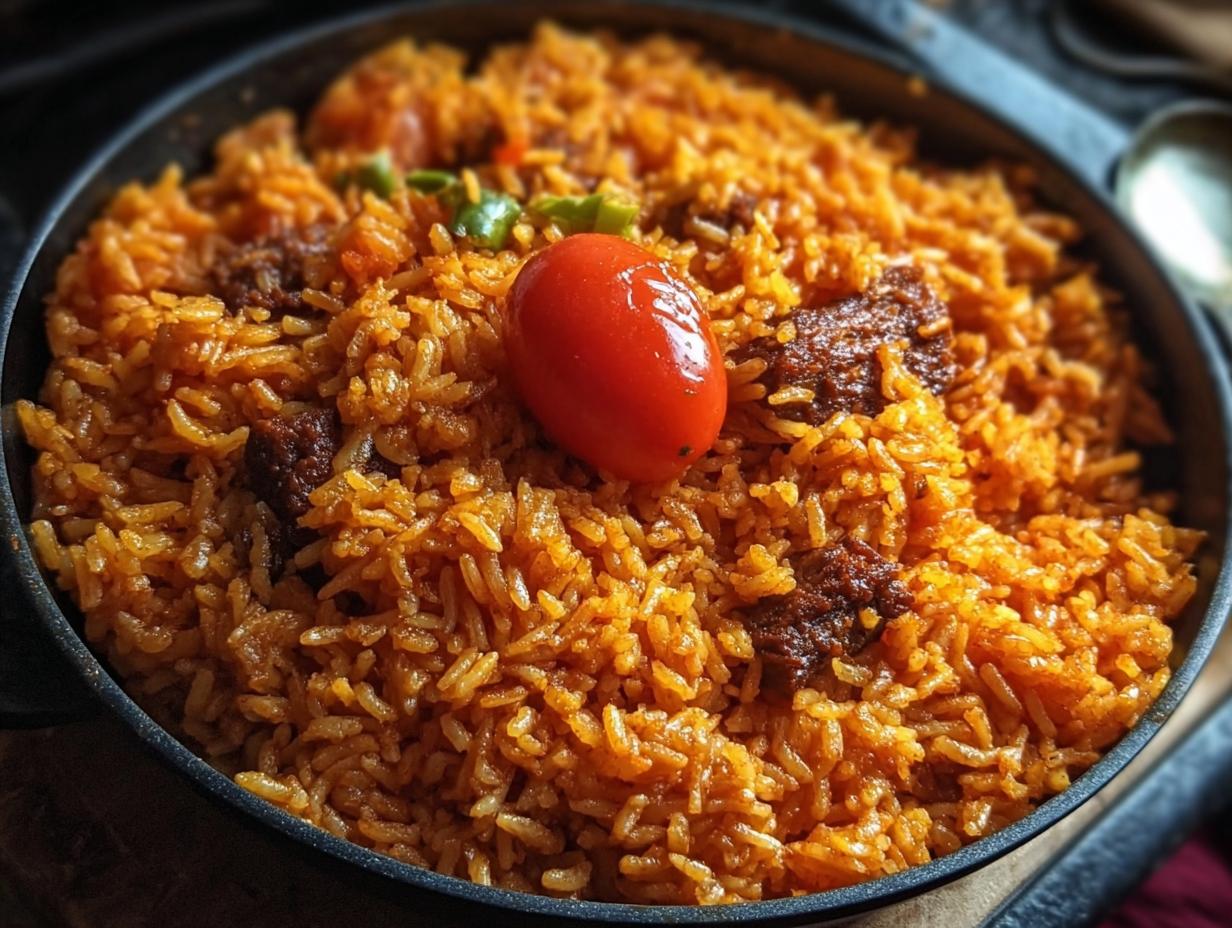
Nigerian Jollof Rice has a special place in my heart, and I know it’s a favorite across Nigeria and beyond. It’s more than just a dish; it’s a celebration, a gathering, a taste of home that fills the air with an irresistible aroma and delights the eyes with its vibrant, inviting color. This beloved “Nigeria’s favorite Jollof Rice” is famous for its perfectly cooked grains infused with a rich, savory tomato and pepper sauce. I’ve learned that achieving that authentic, mouthwatering flavor is surprisingly simple with the right approach. Get ready, because we’re about to dive into how to make this iconic dish yourself. Let’s get cooking!
What is Nigerian Jollof Rice?
Nigerian Jollof Rice is a beloved one-pot dish that holds a special place in Nigerian cuisine, often considered a national treasure. Its origin is rooted in West Africa, and it has become an absolute staple at virtually every gathering, from casual family dinners to grand celebrations. This is why you’ll often hear it referred to as “Party Jollof Rice Nigeria.” The magic lies in its simple yet flavorful components: fluffy long-grain parboiled rice simmered in a rich, savory base of tomatoes, peppers, and a blend of aromatic spices. It’s a dish that truly brings people together.
Why You’ll Love This Nigerian Jollof Rice Recipe
You’re going to absolutely adore making this Nigerian Jollof Rice. Here’s why it’s a winner:
- It’s a truly easy Nigerian Jollof Rice recipe, perfect for beginners.
- You get that genuine, home-style Nigerian Jollof Rice taste.
- The flavor is incredibly rich and complex, making it Nigeria’s favorite.
- It’s a fantastic, crowd-pleasing dish that’s perfect for any gathering.
- You can easily adjust the spice level to create your ideal spicy Nigerian Jollof Rice.
- It’s a satisfying, complete meal all cooked in one pot.
- This recipe delivers an authentic Nigerian Jollof Rice experience.
- The vibrant color and delicious aroma are simply irresistible.
Nigerian Jollof Rice Ingredients for Authentic Flavor
Gathering the right Nigerian Jollof Rice ingredients is the first step to achieving that iconic taste. For this authentic Nigerian Jollof Rice recipe, you’ll need:
- 2 cups of long-grain parboiled rice – This is crucial for that perfect fluffy texture; it holds its shape well.
- 1/4 cup of vegetable oil – For sautéing our aromatics and building the flavor base.
- 1 large onion, chopped – This forms the sweet foundation of our sauce.
- 1 red bell pepper, blended – Adds vibrant color and a subtle sweetness.
- 2 scotch bonnet peppers, blended (or to taste) – For that signature kick and heat; adjust to your preference for a spicy Nigerian Jollof Rice.
- 4 cups of tomato paste and 1/4 cup of tomato purée – These are the heart of the dish, providing depth and that rich red hue.
- 3 cups of chicken or beef broth – This liquid is key for cooking the rice and infusing it with savory goodness.
- 1 tablespoon of dried thyme, 1 tablespoon of curry powder, 1 teaspoon of paprika, 1 teaspoon of garlic powder, and 1 teaspoon of onion powder – Our essential spice blend for that classic Nigerian Jollof Rice flavour.
- Salt to taste and Black pepper to taste – To enhance all the flavors.
- 2 bay leaves – For that subtle aromatic depth during cooking.
- Optional: 1/2 cup of mixed vegetables (peas, carrots, corn) and 1 lb chicken or beef, cooked and shredded – To make it a complete meal.
Proper Nigerian Jollof Rice preparation starts with having all these components ready.
How to Make Nigerian Jollof Rice Perfectly
Follow these straightforward Nigerian Jollof Rice cooking steps to achieve that iconic flavor and texture. Making this dish can seem daunting, but I promise, with a little patience and these instructions, you’ll be cooking Nigerian Jollof Rice perfectly in no time.
- Step 1: Rinse the parboiled rice thoroughly under cold running water. Keep rinsing until the water runs clear – this is super important to remove excess starch, which helps prevent mushy rice. Drain it well and set it aside.
- Step 2: Heat the 1/4 cup of vegetable oil in a large, heavy-bottomed pot or Dutch oven over medium heat. Add the 1 large onion, chopped, and sauté until it’s softened and fragrant, about 5 minutes.
- Step 3: Stir in the blended 1 red bell pepper and 2 scotch bonnet peppers. Cook this mixture for another 5-7 minutes, stirring occasionally, until it reduces slightly and the raw pepper smell dissipates.
- Step 4: Add the 4 cups of tomato paste and 1/4 cup of tomato purée. This is a crucial step for developing the deep flavor and color. Cook this mixture for about 10 minutes, stirring constantly to cook out the raw tomato taste. You’ll notice the color deepen.
- Step 5: Pour in the 3 cups of chicken or beef broth. Add the 1 tablespoon of dried thyme, 1 tablespoon of curry powder, 1 teaspoon of paprika, 1 teaspoon of garlic powder, 1 teaspoon of onion powder, salt to taste, black pepper to taste, and the 2 bay leaves. Stir everything together well.
- Step 6: Bring the sauce to a gentle simmer. Once it’s bubbling, reduce the heat to low.
- Step 7: Add the rinsed and drained rice to the pot. Stir it through the sauce, making sure all the grains are fully submerged. If the sauce seems a bit thick and doesn’t quite cover the rice, add a little more broth or water.
- Step 8: Now, for the magic step to cook Nigerian Jollof Rice perfectly. Cover the pot tightly with aluminum foil, then place the lid securely on top. This creates a seal that traps steam, allowing the rice to cook evenly and absorb all those delicious flavors.
- Step 9: Let it cook on low heat for about 25-30 minutes. Resist the urge to open the lid too often, as this releases the steam needed for perfect cooking.
- Step 10: After 25-30 minutes, carefully open the pot. The rice should be tender and the liquid absorbed. Fluff the Nigerian Jollof Rice gently with a fork. If you’re adding optional ingredients, stir in the cooked chicken or beef and mixed vegetables now.
Prepping the Rice
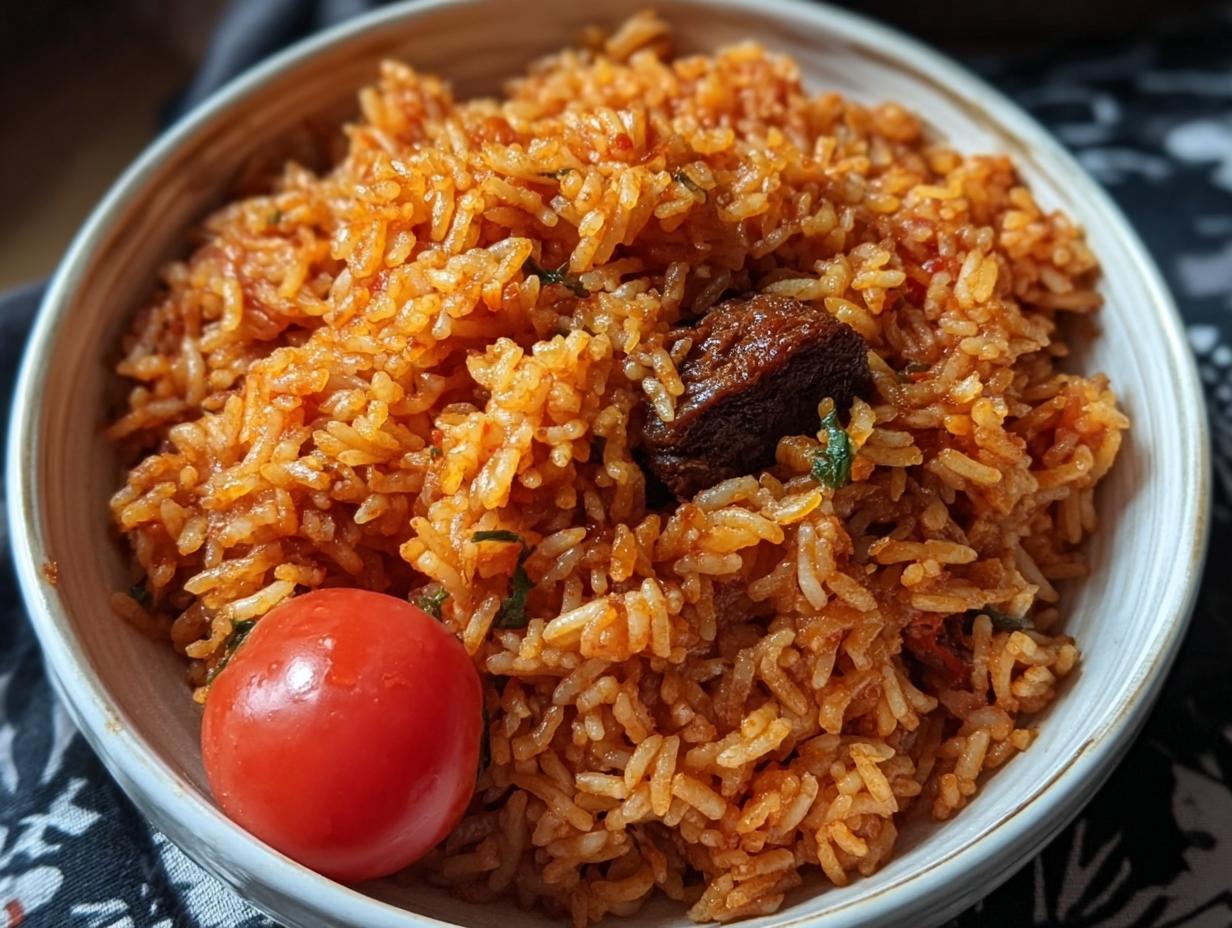
Rinsing your long-grain parboiled rice until the water runs clear is a non-negotiable step. This process removes excess starch, ensuring your Nigerian Jollof Rice grains remain separate and fluffy, not clumpy.
Creating the Flavor Base
Sautéing the onions and then cooking down the blended peppers and tomato paste is key. This step cooks out the raw, acidic taste of the tomatoes, creating a rich, deep, and flavorful base that defines the classic Nigerian Jollof Rice flavour.
Cooking the Rice
Once you’ve added the broth, spices, and rice, sealing the pot tightly is crucial. This steaming method ensures the rice cooks evenly and absorbs all the delicious sauce, leading to that perfectly tender and flavorful authentic Nigerian Jollof Rice.
Pro Tips for the Best Nigerian Jollof Rice
Achieving that perfect Nigerian Jollof Rice flavour is all about a few key techniques. These tips will elevate your dish from good to absolutely unforgettable.
- Always use long-grain parboiled rice; it’s essential for getting that distinct fluffy texture and preventing a mushy outcome.
- Don’t be tempted to stir the rice too much once it’s covered and cooking. This can break the grains and make it gummy.
- For an extra layer of flavor, you can lightly toast your spices before adding them to the sauce.
- If you have a very low heat setting on your stove, use it! This gentle heat is crucial for allowing the rice to steam perfectly without burning.
What’s the secret to perfect Nigerian Jollof Rice?
The absolute secret is creating a tight seal over the pot when the rice is cooking. This traps the steam, allowing the rice to cook evenly and absorb all the delicious sauce, giving it that signature tender texture. For a hint of smoky flavor, some people add a pinch of smoked paprika to the sauce or even briefly char some of the pepper base. You can learn more about the benefits of onions, a key ingredient in building flavor.
Can I make Nigerian Jollof Rice ahead of time?
Yes, you absolutely can! Once cooked and cooled, Nigerian Jollof Rice stores beautifully in the refrigerator for 3-4 days in an airtight container. It’s a fantastic make-ahead dish for meal prep or for when you know you’ll be busy. Reheat it gently on the stovetop or in the microwave.
How do I avoid common mistakes with Nigerian Jollof Rice?
The most common pitfalls are mushy rice or a burnt bottom. To avoid mushy rice, make sure you rinse your parboiled rice thoroughly and resist opening the lid too much during cooking. For a burnt bottom, ensure you’re using low heat and a heavy-bottomed pot, and don’t let the sauce dry out completely before the rice is cooked.
Best Ways to Serve Nigerian Jollof Rice
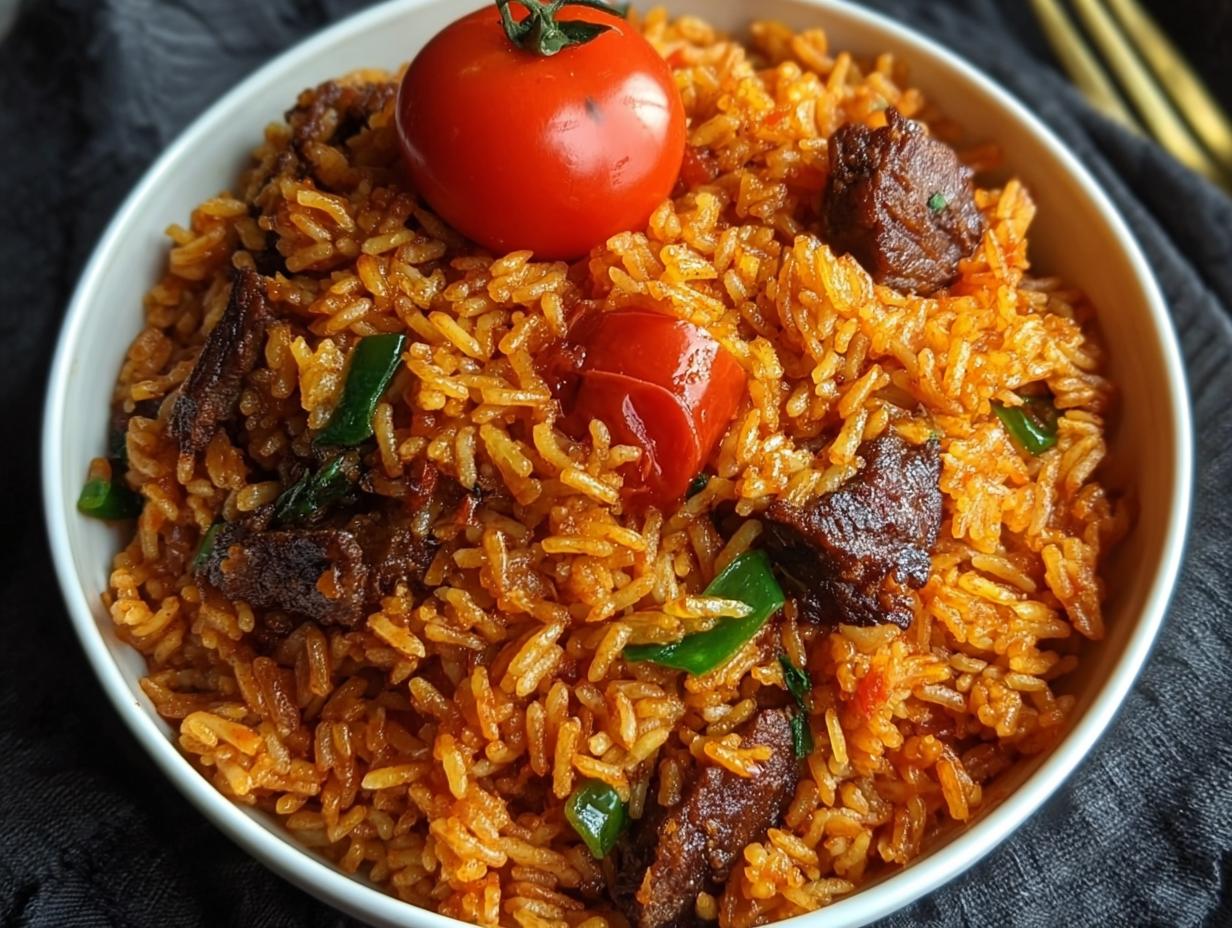
This sensational Nigerian Jollof Rice is a star on its own, but it truly shines when paired with classic Nigerian accompaniments. I love serving it with perfectly fried plantains – that sweet, caramelized crunch is divine against the savory rice! Grilled or fried chicken or beef is another fantastic option, adding a protein boost. For a lighter touch, a fresh side salad or some coleslaw offers a refreshing contrast. If you’re feeling adventurous and want to amp up the heat, serving it as a spicy Nigerian Jollof Rice with extra scotch bonnet sauce on the side is always a hit with my spice-loving friends!
Nutrition Facts for Nigerian Jollof Rice
Here’s a breakdown of the estimated nutritional content per serving for this delicious Nigerian Jollof Rice:
- Calories: 450 kcal
- Fat: 15g
- Saturated Fat: 3g
- Carbohydrates: 70g
- Fiber: 4g
- Protein: 10g
- Sugar: 5g
- Sodium: 500mg
- Cholesterol: 15mg
Nutritional values are estimates and may vary based on specific ingredients used and portion sizes.
How to Store and Reheat Nigerian Jollof Rice
Leftover Nigerian Jollof Rice is a true gift, making for incredibly easy meals later on. Once your delicious dish has cooled down completely at room temperature, it’s time to think about storage. For the best results and food safety, transfer the cooled rice into airtight containers. This helps maintain its freshness and prevents it from drying out. You can confidently store your simple Nigerian Jollof Rice leftovers in the refrigerator for about 3 to 4 days. If you want to keep it even longer, freezing is a great option. Properly stored in freezer-safe containers or bags, it can last for up to 3 months. To reheat, you can use the microwave, stirring halfway through for even heating, or gently warm it on the stovetop over low heat with a splash of water or broth to revive its moisture.
Variations of Nigerian Jollof Rice You Can Try
While this recipe gives you that classic Nigerian Jollof Rice flavour, there are so many fun ways to switch it up! For a fantastic vegetarian option, simply swap the chicken or beef broth for vegetable broth. This still delivers that rich taste, making it a wonderful plant-based choice. You can also easily elevate this into a true “Party Jollof Rice Nigeria” experience by doubling the recipe and adding generous amounts of mixed vegetables like peas, carrots, and corn towards the end of cooking. It’s these little touches that make it perfect for feeding a crowd. Of course, no discussion of Jollof is complete without mentioning the friendly rivalry – the “Nigerian Jollof Rice vs Ghana Jollof Rice” debate is legendary, and trying different cooking methods can be part of the fun! You might also enjoy exploring barley as another versatile grain option.
Frequently Asked Questions About Nigerian Jollof Rice
What is the best type of rice for Nigerian Jollof Rice?
For the most authentic and successful Nigerian Jollof Rice, long-grain parboiled rice is the gold standard. Its structure holds up well to the cooking process, absorbing flavor without becoming mushy. Regular long-grain white rice can work, but parboiled is definitely preferred for that perfect fluffy texture that makes traditional Nigerian Jollof Rice so iconic.
Why is my Jollof Rice watery?
A watery outcome usually happens when there’s too much liquid added initially or when the pot isn’t sealed properly during cooking. Ensure you’re using the correct liquid-to-rice ratio and that your pot has a tight-fitting lid, perhaps with foil underneath, to trap the steam effectively. Cooking on low heat also helps the liquid absorb gradually. For more tips on cooking grains, check out this guide to barley.
How to get the smoky flavour?
Achieving that desirable “smoky” or “party” Jollof flavor is often achieved by slightly burning the bottom of the rice, but this requires careful monitoring on very low heat. Alternatively, you can add a pinch of smoked paprika to your tomato base, or even briefly char some of the blended peppers before adding them to the pot. This subtle smokiness is a hallmark of some of the best Party Jollof Rice Nigeria.
Can I add other ingredients to my Nigerian Jollof Rice?
Absolutely! While the classic recipe is delicious on its own, feel free to get creative. Many people enjoy adding cooked chicken, beef, or fish towards the end of the cooking process. Mixed vegetables like peas, carrots, and corn are also popular additions that add color and texture, turning your simple dish into a more complex meal. For other delicious one-pot meals, consider trying spaghetti with mushroom sauce.
Print
Authentic Nigerian Jollof Rice: 1 Simple Secret
- Prep Time: 20 minutes
- Cook Time: 45 minutes
- Total Time: 1 hour 5 minutes
- Yield: 6 servings 1x
- Category: Main Course
- Method: One-pot cooking
- Cuisine: West African
- Diet: Vegetarian
Description
A classic one-pot Nigerian Jollof Rice recipe that brings people together. This dish features fluffy rice cooked in a rich, savory tomato and pepper sauce, perfect for any occasion.
Ingredients
- 2 cups of long-grain parboiled rice
- 1/4 cup of vegetable oil
- 1 large onion, chopped
- 1 red bell pepper, blended
- 2 scotch bonnet peppers, blended (or to taste)
- 4 cups of tomato paste
- 1/4 cup of tomato purée
- 3 cups of chicken or beef broth
- 1 tablespoon of dried thyme
- 1 tablespoon of curry powder
- 1 teaspoon of paprika
- 1 teaspoon of garlic powder
- 1 teaspoon of onion powder
- Salt to taste
- Black pepper to taste
- 2 bay leaves
- Optional: 1/2 cup of mixed vegetables (peas, carrots, corn)
- Optional: 1 lb chicken or beef, cooked and shredded
Instructions
- Rinse the parboiled rice thoroughly until the water runs clear. Drain and set aside.
- Heat the vegetable oil in a large pot or Dutch oven over medium heat. Add the chopped onion and sauté until softened, about 5 minutes.
- Add the blended red bell pepper and scotch bonnet peppers. Cook for another 5-7 minutes, stirring occasionally, until the mixture has reduced slightly.
- Stir in the tomato paste and tomato purée. Cook for about 10 minutes, stirring constantly, to cook out the raw tomato taste.
- Add the chicken or beef broth, dried thyme, curry powder, paprika, garlic powder, onion powder, salt, black pepper, and bay leaves. Stir well to combine.
- Bring the sauce to a simmer, then reduce the heat to low.
- Add the rinsed rice to the pot, ensuring it is fully submerged in the sauce. If needed, add a little more broth or water.
- Cover the pot tightly with foil or a lid, then place the lid on top to create a good seal. This helps the rice steam perfectly.
- Cook on low heat for 25-30 minutes, or until the rice is tender and the liquid has been absorbed. Avoid opening the lid too often.
- Once cooked, fluff the Nigerian Jollof Rice with a fork. If using, stir in the cooked chicken or beef and mixed vegetables.
- Serve hot and enjoy your delicious Nigerian Jollof Rice.
Notes
- For a smoky flavor, you can add a pinch of smoked paprika.
- Adjust the amount of scotch bonnet peppers to control the spice level.
- Ensure the pot is well-sealed to allow the rice to steam properly for the best Nigerian Jollof Rice texture.
- You can use vegetable broth instead of chicken or beef broth for a vegetarian option.
Nutrition
- Serving Size: 1 serving
- Calories: 450 kcal
- Sugar: 5g
- Sodium: 500mg
- Fat: 15g
- Saturated Fat: 3g
- Unsaturated Fat: 12g
- Trans Fat: 0g
- Carbohydrates: 70g
- Fiber: 4g
- Protein: 10g
- Cholesterol: 15mg
Keywords: Nigerian Jollof Rice, Nigerian Jollof Rice recipe, Authentic Nigerian Jollof Rice, How to make Nigerian Jollof Rice, Best Nigerian Jollof Rice recipe, Easy Nigerian Jollof Rice recipe, Nigerian Jollof Rice ingredients, Spicy Nigerian Jollof Rice, Party Jollof Rice Nigeria, Nigerian Jollof Rice vs Ghana Jollof Rice, How to cook Nigerian Jollof Rice perfectly, What is Nigerian Jollof Rice, Nigerian Jollof Rice cooking steps, Traditional Nigerian Jollof Rice, Nigerian Jollof Rice for beginners, Nigerian party Jollof Rice recipe, Simple Nigerian Jollof Rice, Nigeria's favorite Jollof Rice, Home-style Nigerian Jollof Rice, Nigerian Jollof Rice flavour, Nigerian Jollof Rice preparation