Introduction
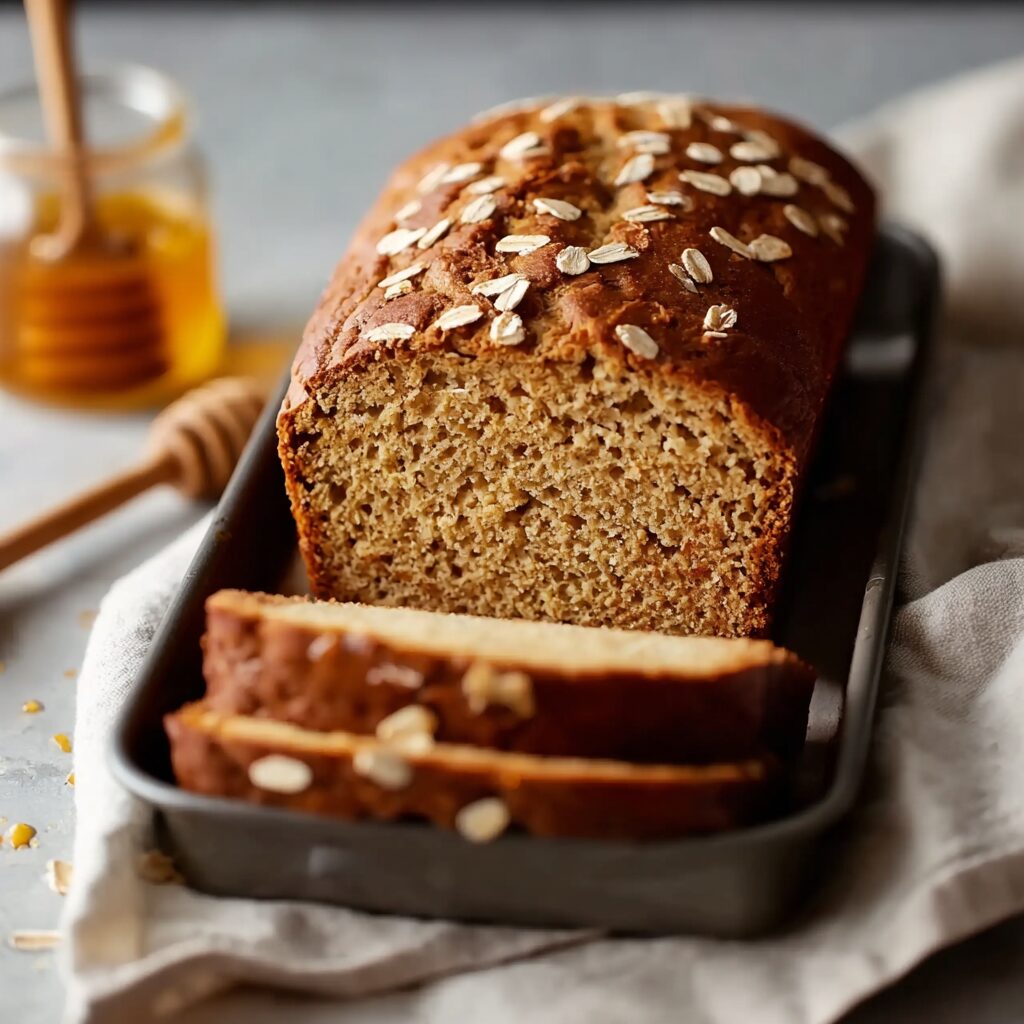
There’s something incredibly comforting about homemade bread, especially when it’s warm from the oven. This Honey Cinnamon Oatmeal Bread is not just delightful; it’s also simple to prepare, making it perfect for bakers of all skill levels. With its rich flavors and tender texture, this loaf is bound to become a go-to in your kitchen.
Using rolled oats enhances the bread's nutrition and adds a lovely chewiness, while honey and cinnamon infuse it with warmth and sweetness. This easy recipe invites you to savor the joy of baking and fills your home with an irresistible aroma. Let’s embark on this delicious journey and create a bread that you’ll want to share with loved ones.
Ingredients
- 1 cup rolled oats
Rolled oats add a hearty texture and contribute to the bread's nutritional profile, providing fiber and essential nutrients. They also help keep the bread moist. - 1 cup warm milk (240 ml)
Warm milk activates the yeast while also enriching the dough with fat and flavor, resulting in a soft crumb. - 1/4 cup warm water (60 ml)
Warm water helps dissolve the yeast and allows it to bloom, which is crucial for a good rise. - 1/4 cup honey (60 ml)
Honey not only sweetens the bread but also acts as a natural preservative, contributing to moisture retention. - 1/4 cup melted butter (60 ml)
Melted butter enriches the dough, enhancing flavor and tenderness by providing fat that coats the gluten strands. - 3 cups all-purpose flour (375 g)
All-purpose flour is the backbone of the bread, providing structure and strength to support the rise. - 1 teaspoon ground cinnamon
Ground cinnamon adds a warm, aromatic flavor that perfectly complements the sweetness of the honey. - 1/2 teaspoon salt
Salt enhances flavor and controls yeast fermentation, contributing to a well-rounded loaf.
Directions & Preparation
Step 1: In a small bowl, combine 1 cup of rolled oats with 1 cup (240 ml) of warm milk. Let it sit for 10 minutes to soften.
Soaking the oats in warm milk allows them to absorb moisture, leading to a softer texture in the finished bread. This step also ensures that the oats fully integrate into the dough.
Step 2: In a separate bowl, dissolve 2 teaspoons of active dry yeast in 1/4 cup (60 ml) of warm water. Add 1 tablespoon of honey and let it sit for 5-10 minutes until bubbly.
Activating the yeast is essential for proper rise; the bubbling indicates that the yeast is alive and ready to work. This lively mixture contributes to the lightness of the bread.
Step 3: Add the softened oats, 1/4 cup (60 ml) of melted butter, and 1/4 cup (60 ml) of honey to the yeast mixture. Stir until combined.
Integrating the oats, butter, and honey into the yeast mixture creates a rich and flavorful base. The combination of wet ingredients ensures that the dry ingredients will blend smoothly.
Step 4: Gradually mix in 3 cups (375 g) of all-purpose flour, 1 teaspoon of cinnamon, and 1/2 teaspoon of salt. Stir until a shaggy dough forms.
Incorporating the flour gradually prevents clumping and allows you to assess the dough’s consistency. The cinnamon and salt are evenly distributed throughout the dough, enhancing the flavor profile.
Step 5: Transfer to a lightly floured surface and knead for about 8-10 minutes until smooth and elastic. If it’s sticky, add a little more flour, a tablespoon at a time.
Kneading develops the gluten, which gives the bread structure and chewiness. Aim for a smooth, elastic texture, which indicates that the dough is ready for rising.
Step 6: Place the dough in an oiled bowl, cover with a damp cloth, and let it rise for 1-1.5 hours in a warm spot until doubled in size.
Allowing the dough to rise helps it develop flavor and creates air pockets for a light texture. The damp cloth prevents the dough from drying out while rising.
Step 7: Punch down the dough and shape it into a log. Place it in a greased loaf pan and let it rise again for about 30-40 minutes.
Punching down the dough releases trapped air and helps redistribute the yeast. Shaping the dough into a log ensures even baking, and the second rise enhances the bread’s volume.
Step 8: Preheat your oven to 375°F (190°C). Bake the bread for 30-35 minutes, or until golden brown and hollow-sounding when tapped.
Preheating the oven ensures that the bread bakes evenly from the start. The hollow sound indicates that the bread is fully cooked and has formed a crust.
Step 9: Remove the bread from the pan and cool on a wire rack before slicing.
Cooling the bread on a rack prevents sogginess by allowing moisture to escape. Slicing too soon can result in a gummy texture, so patience is key.

The Benefits of Using Oats
Incorporating oats into your bread not only enhances its texture but also boosts its nutritional value. Oats are rich in soluble fiber, which can help lower cholesterol levels and promote heart health. Additionally, their unique flavor adds a new dimension to traditional bread, making it suitable for both sweet and savory applications.
Bringing Warmth with Honey
Honey serves as more than just a sweetener in this bread; it infuses it with a natural warmth and moisture that white sugar simply cannot match. This liquid gold helps extend the bread's freshness, making each slice soft and delightful even days after baking. Plus, its unique flavor profile adds a gourmet touch to an otherwise simple loaf.
Cinnamon's Role in Bread Making
Cinnamon is a magical spice that elevates the bread from ordinary to extraordinary. Its warm, aromatic qualities not only enhance flavor but also have health benefits, such as anti-inflammatory properties. The balance of sweetness from honey with the spice of cinnamon creates a comforting flavor combination that evokes nostalgia and invite cozy moments.
FAQs
What should I do if the dough is too sticky?
If the dough is too sticky, sprinkle flour onto your work surface and knead in small amounts of flour, one tablespoon at a time, until it becomes manageable.
Can I use whole wheat flour instead of all-purpose flour?
Yes, you can substitute half of the all-purpose flour with whole wheat flour for a denser loaf, keeping in mind this may change the texture slightly.
Why did my bread not rise properly?
If your bread didn't rise, the yeast may have been inactive due to expired date or incorrect water temperature. Always check both for best results.
Can I add nuts or dried fruits to this recipe?
Certainly! Adding nuts or dried fruits can provide additional texture and flavor; just make sure to adjust the flour quantity slightly to compensate.
How can I ensure a golden crust?
For a golden crust, you can brush the loaf with melted butter before and after baking or place a pan of water in the oven for steam.
What can I do if the bread is bland?
If the bread tastes bland, consider adding a pinch more salt or spices to the dough. Toppings or spreads can also enhance the flavor after baking.
Conclusion
Baking your own Honey Cinnamon Oatmeal Bread is a rewarding experience that elevates simple ingredients into something truly special. This bread pairs well with breakfast spreads, sandwiches, or enjoyed on its own. By mastering this easy recipe, you not only create a delicious loaf but also foster the joy of homemade baking in your kitchen.
So roll up your sleeves, gather your ingredients, and get ready to enjoy the warmth and satisfaction that comes from making your own bread. Share it with family and friends or savor it for yourself; either way, this bread is bound to bring smiles.
Recipe Card
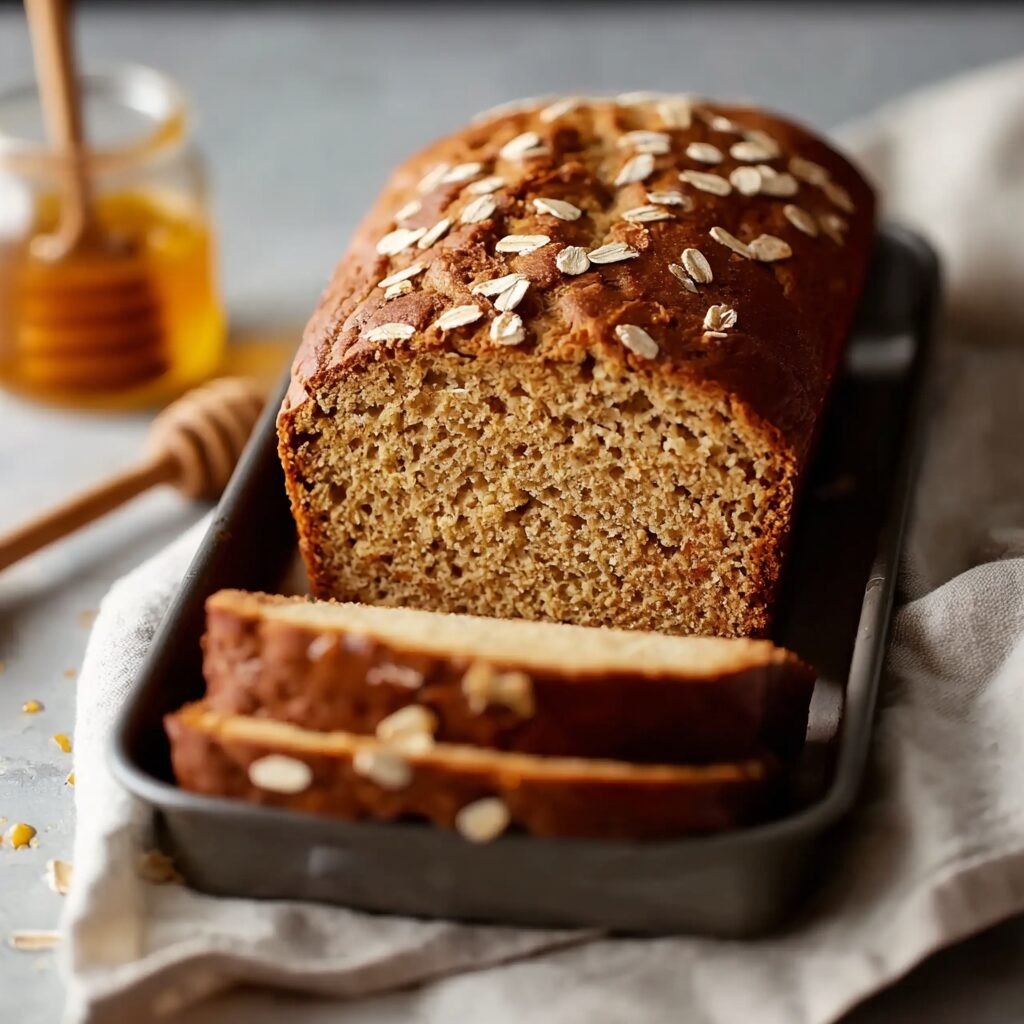
Honey Cinnamon Oatmeal Bread Recipe Reimagined
Ingredients
Method
- In a small bowl, combine 1 cup of rolled oats with 1 cup (240 ml) of warm milk. Let it sit for 10 minutes to soften.
- In a separate bowl, dissolve 2 teaspoons of active dry yeast in 1/4 cup (60 ml) of warm water. Add 1 tablespoon of honey and let it sit for 5-10 minutes until bubbly.
- Add the softened oats, 1/4 cup (60 ml) of melted butter, and 1/4 cup (60 ml) of honey to the yeast mixture. Stir until combined.
- Gradually mix in 3 cups (375 g) of all-purpose flour, 1 teaspoon of cinnamon, and 1/2 teaspoon of salt. Stir until a shaggy dough forms.
- Transfer to a lightly floured surface and knead for about 8-10 minutes until smooth and elastic. If it’s sticky, add a little more flour, a tablespoon at a time.
- Place the dough in an oiled bowl, cover with a damp cloth, and let it rise for 1-1.5 hours in a warm spot until doubled in size.
- Punch down the dough and shape it into a log. Place it in a greased loaf pan and let it rise again for about 30-40 minutes.
- Preheat your oven to 375°F (190°C). Bake the bread for 30-35 minutes, or until golden brown and hollow-sounding when tapped.
- Remove the bread from the pan and cool on a wire rack before slicing.
Tried this recipe?
Let us know how it was!Notes
Additional serving suggestions: pair with a crisp salad, garlic bread, or roasted seasonal vegetables for balance.
For make-ahead, prep components separately and assemble just before heating to preserve texture.
Taste and adjust with acid (lemon/vinegar) and salt right at the end to wake up flavors.