Introduction
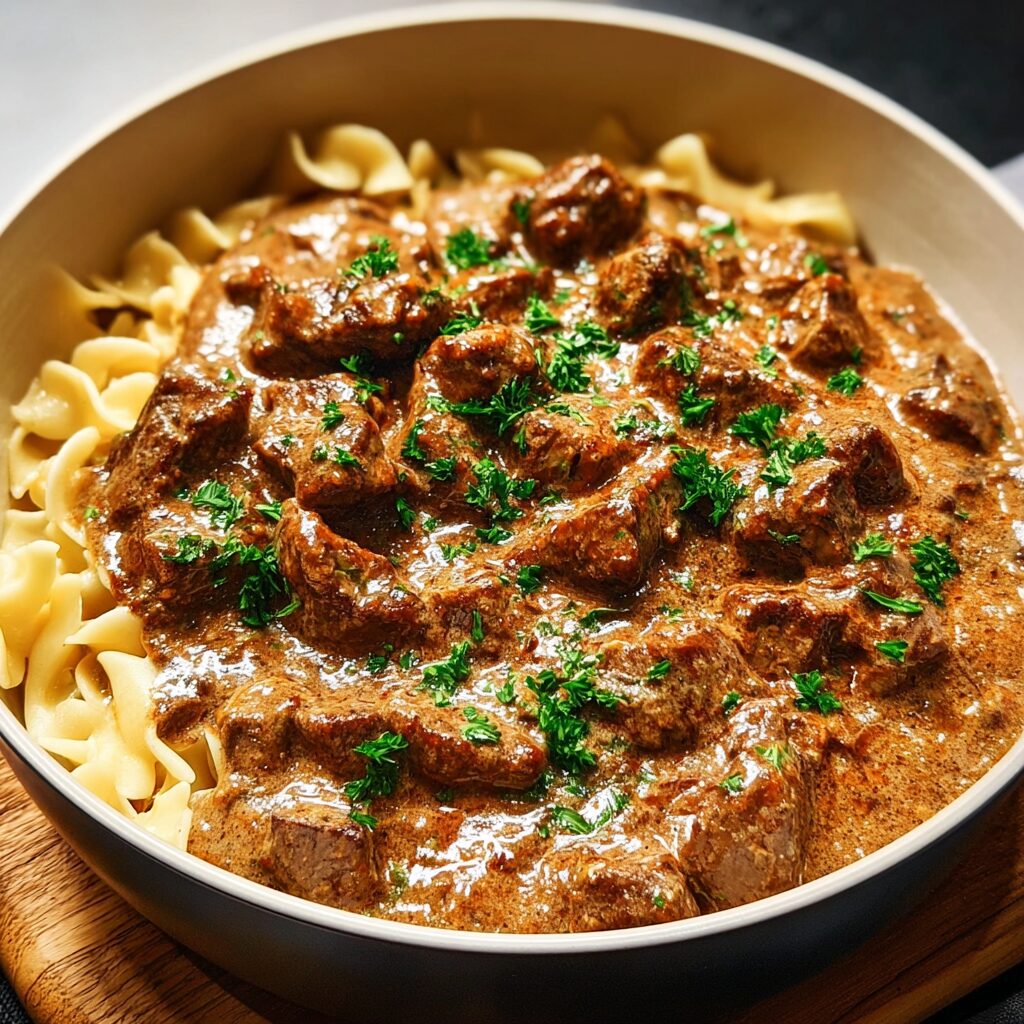
Beef stroganoff is a classic dish known for its tender meat and rich, creamy sauce. Gordon Ramsay’s version elevates this comfort food with a design that balances flavors perfectly, making it a favorite among home cooks. The combination of seared beef, earthy mushrooms, and a velvety sauce is sure to impress anyone at your dinner table.
Crafting this dish at home allows you to control the ingredients, ensuring a fresh and wholesome meal. While it may seem like a special occasion dish, it's quite approachable for weeknight dinners. With just a few simple steps, you’ll create an unforgettable meal that showcases both finesse and flavor.
Ingredients
- 600g scotch fillet steak
Tender cuts of scotch fillet or boneless rib eye create a succulent base for the dish. Their marbling ensures that the beef remains juicy during cooking, enhancing the overall richness of the stroganoff. - 2 tbsp vegetable oil, divided
Used for searing the steak and sautéing vegetables, vegetable oil has a high smoke point, making it perfect for achieving a good sear without burning. - 300g mushrooms, sliced
Mushrooms add an earthy flavor and texture that complements the beef. They caramelize beautifully when sautéed, enhancing their natural umami notes. - 40g butter
Butter enriches the flavor of the sauce and adds a silky finish. It helps to sauté the onions and mushrooms, providing depth to the overall taste profile. - 2 tbsp plain flour
Flour thickens the sauce, giving it a creamy consistency. It also helps in creating a roux with the butter, which forms the base of a rich sauce. - 500ml beef broth
Good-quality beef broth adds flavor and body to the sauce. Using reduced broth can intensify the beef flavor, making every bite satisfying. - 1 tbsp Dijon mustard
Dijon mustard introduces a tangy depth that elevates the sauce, cutting through the creaminess and adding a subtle bite. - 150ml sour cream
Sour cream adds creaminess and a slight tang that balances the richness of the beef and the sauce. It makes the final dish velvety and luxurious.
Directions & Preparation
Step 1: Step 1: Boil the Water for Pasta
Start by filling a large pot with water and adding a generous pinch of salt. Bringing it to a boil sets the stage for cooking your pasta, which will be tossed together with the sauce. Salting the water enhances the pasta's flavor, ensuring every element of the dish is seasoned properly.
Step 2: Step 2: Cook the Pasta
Add your choice of pasta or egg noodles into the boiling salted water, cooking them for one minute less than the package instructions suggest. This ensures the pasta maintains a slightly firm texture, allowing it to soak up the sauce once combined, enhancing the overall unity of flavors.
Step 3: Step 3: Sear the Steak
While the pasta cooks, cut the scotch fillet into thin strips. Heat one tablespoon of vegetable oil in a large skillet over high heat. Sear the steak in batches to avoid overcrowding, achieving a beautiful brown crust. Removing the steak keeps it tender, preventing it from becoming tough during the cooking process.
Step 4: Step 4: Sauté the Onions and Mushrooms
Lower the heat and add the remaining vegetable oil to the skillet. Next, sauté the sliced onions until translucent, then add the mushrooms. Cook until golden and their moisture has evaporated. This step is crucial for developing deep flavors that will enhance the sauce.
Step 5: Step 5: Make the Sauce
Add butter to the vegetable mixture until melted, followed by sprinkling in the flour. Stir continuously for about a minute to cook out the raw flavor of the flour. Gradually pour in the beef broth while stirring to avoid lumps. This builds a well-integrated sauce that will coat the pasta beautifully.
Step 6: Step 6: Season and Add Mustard
Incorporate the Dijon mustard and sour cream into the sauce, mixing thoroughly. Allow the mixture to simmer for a few minutes, melding the flavors together. Tasting and adjusting the seasoning with salt and pepper at this stage is essential, as it ensures a well-balanced and flavorful dish.
Step 7: Step 7: Combine and Finish the Dish
Return the seared steak to the skillet. Drain the pasta and add it into the skillet, gently tossing everything together to coat the pasta in the sauce. Cooking for an additional minute allows the flavors to meld, ensuring that each bite is rich and satisfying.
Step 8: Step 8: Serve and Garnish
Spoon the Beef Stroganoff onto plates or into bowls, ensuring a generous portion of steak, mushrooms, and pasta. Garnishing with freshly chopped chives can add brightness and a hint of freshness. Serve the dish hot for the best experience, savoring every delicious, creamy mouthful.

Choosing the Right Cut of Beef
The choice of beef can significantly impact your dish. While scotch fillet delivers tenderness and flavor, alternatives like sirloin or tenderloin can also work well. Opt for cuts with good marbling for richer taste and juiciness during cooking, ensuring every bite of your stroganoff is delectable.
The Importance of a Creamy Sauce
A well-made sauce is pivotal in beef stroganoff. The combination of sour cream and Dijon mustard provides a tangy balance to the rich sauce. Ensuring the sauce reaches the right consistency is crucial; it should be thick enough to cling to the pasta without overwhelming it, making each mouthful a delight.
Perfect Pasta Pairing
While traditional stroganoff is often served with egg noodles, feel free to experiment. Wide pappardelle or even rice can be wonderful alternatives. The key is to choose a type of pasta that can hold the sauce well, ensuring every plate is genuinely indulgent.
FAQs
What if my sauce is too thin?
If your sauce turns out too thin, you can thicken it by simmering it uncovered for a few more minutes. Adding a little more flour mixed with cold water can also help, stirring it back into the sauce while it simmers.
How do I prevent the beef from being overcooked?
To avoid overcooking the beef, be sure to sear it in batches and remove it from the pan promptly after it’s browned. The residual heat will further cook the meat when reintegrated into the sauce.
Can I use other types of mushrooms?
Yes, feel free to experiment with different types of mushrooms such as cremini, portobello, or shiitake. Each variety brings its unique flavor and texture to the dish, adding a delightful twist to traditional stroganoff.
What if I want a spicier sauce?
To add some heat to the stroganoff, incorporate a pinch of cayenne pepper or some crushed red pepper flakes while simmering the sauce. This will provide a warming kick without overpowering the dish.
Is there a substitute for sour cream?
If sour cream is unavailable, Greek yogurt is a great substitute, providing similar creaminess and tang. You can also use crème fraîche for a luxurious alternative.
Can I prepare this dish with chicken instead of beef?
Absolutely! Chicken thighs or breasts can be used instead of beef, although the cooking times will differ slightly. Chicken will cook faster, so adjust accordingly to ensure tenderness.
Conclusion
Gordon Ramsay's beef stroganoff is not just a meal; it’s an experience built on flavor, texture, and technique. With simple yet quality ingredients and a few key steps, this dish allows home cooks to shine in their kitchens.
Incorporate this recipe into your rotation, and enjoy the comforting satisfaction of a home-cooked classic. Perfect for weeknight dinners or entertaining guests, each bite of stroganoff showcases a blend of traditional and innovative cooking that is sure to impress.
Recipe Card
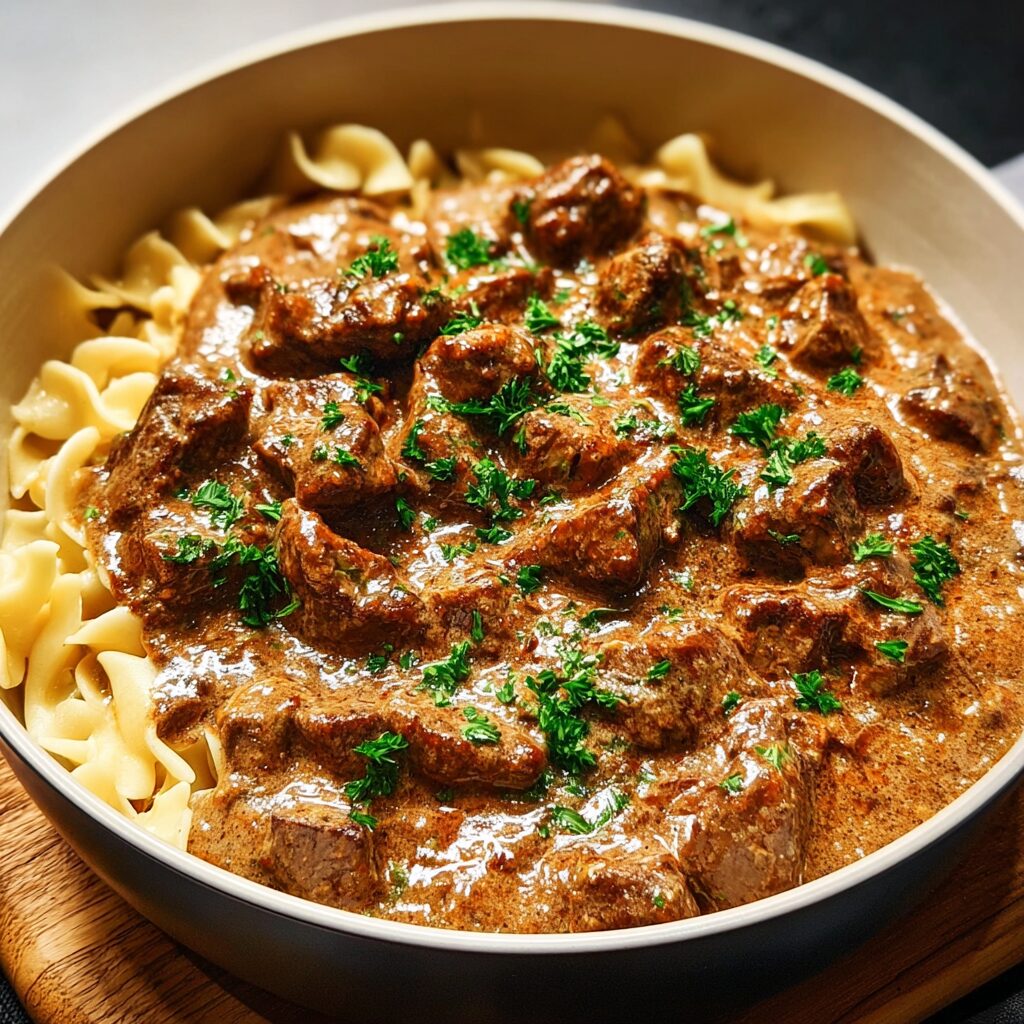
Gordon Ramsay's Flavorful Beef Stroganoff Recipe
Ingredients
Method
- Step 1: Boil the Water for Pasta
- Step 2: Cook the Pasta
- Step 3: Sear the Steak
- Step 4: Sauté the Onions and Mushrooms
- Step 5: Make the Sauce
- Step 6: Season and Add Mustard
- Step 7: Combine and Finish the Dish
- Step 8: Serve and Garnish
Tried this recipe?
Let us know how it was!Notes
Additional serving suggestions: pair with a crisp salad, garlic bread, or roasted seasonal vegetables for balance.
For make-ahead, prep components separately and assemble just before heating to preserve texture.
Taste and adjust with acid (lemon/vinegar) and salt right at the end to wake up flavors.