Introduction
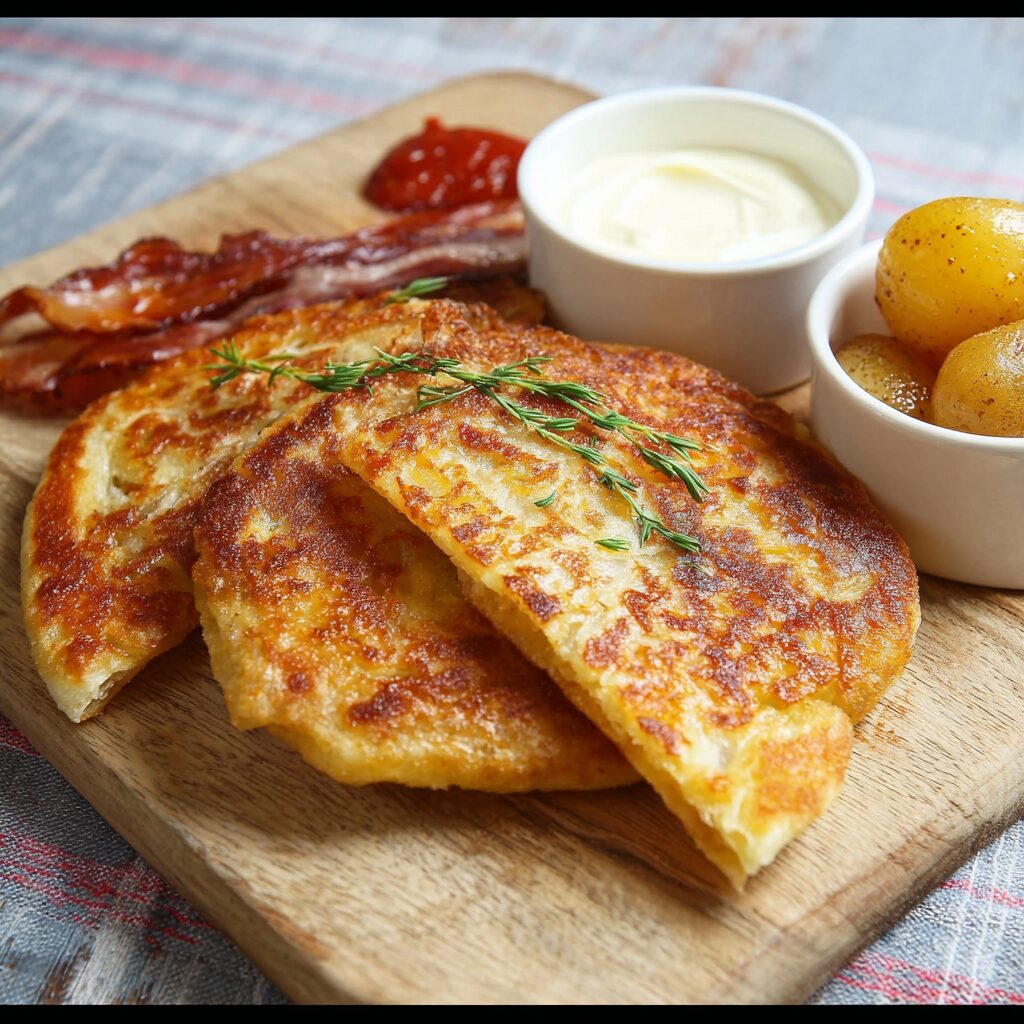
Potato farls, a staple of traditional Irish cuisine, pair wonderfully with breakfast or can be enjoyed as a savory snack. These delightful potato cakes are both easy to make and incredibly satisfying, as they are crispy on the outside and fluffy on the inside. With just a few simple ingredients, you can create an authentic dish that captures the essence of Ireland's culinary heritage.
The name 'farls' originates from the Irish word 'fardel,' meaning a quarter, which refers to how these cakes are traditionally cut. While they can be served in various ways, their simplicity and heartiness make them a beloved comfort food. With this recipe, you'll learn how to create your own delicious potato farls that will surely impress your family and friends.
Ingredients
- 3 medium potatoes (Russet, Maris Piper, or Roosters) – 4 cups (650g/1lb 7oz)
Potatoes are the star ingredient, providing the main body of the farls. Varieties like Russet or Maris Piper yield a starchy texture, perfect for a fluffy interior. The potatoes should be starchy and dry, which contributes to a light texture. - ¾ cup (4oz/115g) all-purpose flour
Flour binds the potatoes together and gives structure to the farls. It also absorbs some of the moisture from the potatoes, enhancing the texture. Using all-purpose flour creates a delicate crust that crisps beautifully on the outside. - ½ teaspoon black pepper
Black pepper adds a subtle heat and depth of flavor to the dish. It complements the natural earthiness of the potatoes without overwhelming them, making for a well-rounded taste. - 2 tablespoons unsalted butter (melted)
Melted butter enriches the farls, providing moisture and flavor. It also helps in achieving a golden brown crust during cooking. Using unsalted butter allows you to control the saltiness of the dish more effectively. - ½ teaspoon salt
Salt elevates the flavors of the ingredients, ensuring that each bite is well-seasoned. It also plays a crucial role in enhancing the texture by breaking down the proteins in the flour, resulting in a better crumb.
Directions & Preparation
Step 1: Peel and chop your potatoes and then weigh them for the recipe.
Peeling and chopping the potatoes beforehand ensures accuracy in measuring their weight. It’s essential to use the correct quantity to maintain a balanced texture in the farls. This initial preparation sets the stage for a successful recipe.
Step 2: Steam or boil the cubed potatoes in a medium pot until tender, roughly 20-25 minutes.
Cooking the potatoes until tender is crucial for achieving a light and fluffy consistency. Boiling or steaming helps to retain moisture while cooking, ensuring that the potatoes are cooked through without becoming waterlogged.
Step 3: Remove the potatoes from the pot and place them in a sieve over a bowl, allowing them to dry off slightly for 5 minutes.
Letting the potatoes sit in a sieve allows excess moisture to escape. This step is vital because too much moisture can lead to a soggy dough, negatively affecting the texture of the farls. A dry foundation leads to crispier results.
Step 4: While still hot, pass the potatoes through the sieve to yield light, fluffy potatoes.
Using a sieve or ricer creates an incredibly light and airy potato base. During this step, it's important to work with the potatoes while they are hot, which helps break down any lumps and ensures consistent texture for the farls.
Step 5: Into the potatoes, add in the flour, salt, pepper, and melted butter. Stir the dough together until it forms a ball.
This step integrates all the essential ingredients, forming a cohesive dough. Mixing until it forms a ball helps ensure the ingredients are evenly distributed. Be careful not to overwork the dough, as this can lead to a denser texture.
Step 6: Turn the dough onto a lightly floured surface and flatten it into an 8-inch round disc.
Flattening the dough into a disc shapes the farls and helps create even cooking surface. The thickness should be about half an inch; too thick and they won’t cook through, too thin and they’ll become too crispy. A uniform thickness helps ensure even cooking.
Step 7: Using a large knife, cut the disc into 6 pieces.
Cutting the disc into wedges maintains the traditional farl shape and ensures easy serving. Each piece should be roughly equal in size, allowing for consistent cooking and presentation. This step also maintains the rustic charm of the dish.
Step 8: Melt a big knob of butter in a large frying pan or skillet over medium heat until bubbling.
Ensuring the butter is bubbling before adding the farls is key to achieving that desired golden brown color. Cooking over medium heat allows for the right balance of crispness outside while ensuring the interior remains fluffily cooked.
Step 9: Carefully add the potato farls and cook over medium heat for about 5 minutes or until a lovely golden brown.
Cooking them for a set amount of time allows for a crispy outer layer. Monitoring the color during this stage ensures you don’t end up with overcooked farls. It's important to resist the urge to move them around too much during cooking to allow for an even sear.
Step 10: Flip them over and cook for another 4-5 minutes on the other side.
Flipping the farls allows the other side to develop that same golden crust while ensuring the interior is light and cooked through. This step reinforces the importance of evenly cooked farls, contributing to both texture and flavor.
Step 11: Serve immediately while hot as part of a traditional Irish breakfast or simply on their own.
Serving the farls hot ensures they maintain their crispy exterior and fluffy interior, maximizing texture and flavor. They are versatile enough to be enjoyed with a range of accompaniments, from eggs to smoked salmon, or simply with a pat of butter or jam.

The History Behind Potato Farls
Potato farls have a rich history rooted in Irish kitchens for centuries. Traditionally, these cakes utilized leftover potatoes, showcasing the resourcefulness of home cooks. They became a common feature in Irish breakfasts, providing a sustaining and hearty addition to the first meal of the day. Their simplicity speaks to the heart of Irish cuisine, where using quality ingredients is paramount.
Serving Suggestions that Elevate Farls
While potato farls can shine on their own, there are numerous ways to enhance their serving experience. They pair wonderfully with a selection of toppings such as grilled bacon, poached eggs, or even smoked salmon for an elevated brunch. Alternatively, try serving them with a homemade chutney or simply with butter and fresh herbs. The adaptability of farls makes them suitable for various occasions, from casual breakfasts to elegant gatherings.
Experimenting with Flavors and Textures
Though the traditional potato farls recipe is delicious as is, feel free to experiment with different flavors. Incorporate finely chopped herbs such as chives or parsley into the dough for an added burst of freshness. Alternatively, consider adding grated cheese for a richer, creamier interior. Playing with ingredients not only enhances the taste but also personalizes the farls to fit your palate.
FAQs
What if my farls are too thick?
If your farls are too thick, they may not cook through properly. Aim for a thickness of about half an inch when shaping. You can reroll and flatten them if needed before cooking.
Why are my farls bland?
Bland farls usually result from insufficient seasoning. Ensure you add enough salt and pepper to the dough. Taste the potato mixture before cooking to adjust seasoning as necessary.
What if my farls are overcooked?
Overcooked farls will lack moisture and become dry. Always monitor the cooking time; if they start to turn too dark before the interior cooks through, reduce the heat slightly.
Can I use other types of potatoes?
Yes, while starchy potatoes like Russet are ideal, you can experiment with other varieties. Just ensure they are high in starch for a light texture.
How do I know when to flip the farls?
Flip the farls when the bottoms are a nice golden brown. You can gently lift one farl to check the color, ensuring they cook evenly without using too much force.
Is it okay to use whole wheat flour instead of all-purpose flour?
You can substitute whole wheat flour for a more rustic flavor, but it may alter the texture slightly. Expect denser farls if you choose to make this substitution.
Conclusion
Mastering the art of making authentic Irish potato farls is a journey to the heart of Ireland's culinary traditions. These versatile cakes not only fill your belly but also connect you with the rich stories behind Irish cooking. Whether enjoyed as part of a breakfast spread or as a subtle snack, their charm and flavor are undeniable.
As you experiment with this recipe, don't hesitate to make the dish your own by incorporating your favorite flavors. Gather your ingredients and let the aroma of freshly made potato farls fill your kitchen—a delightful reminder of simple pleasures and home-cooked goodness.
Recipe Card
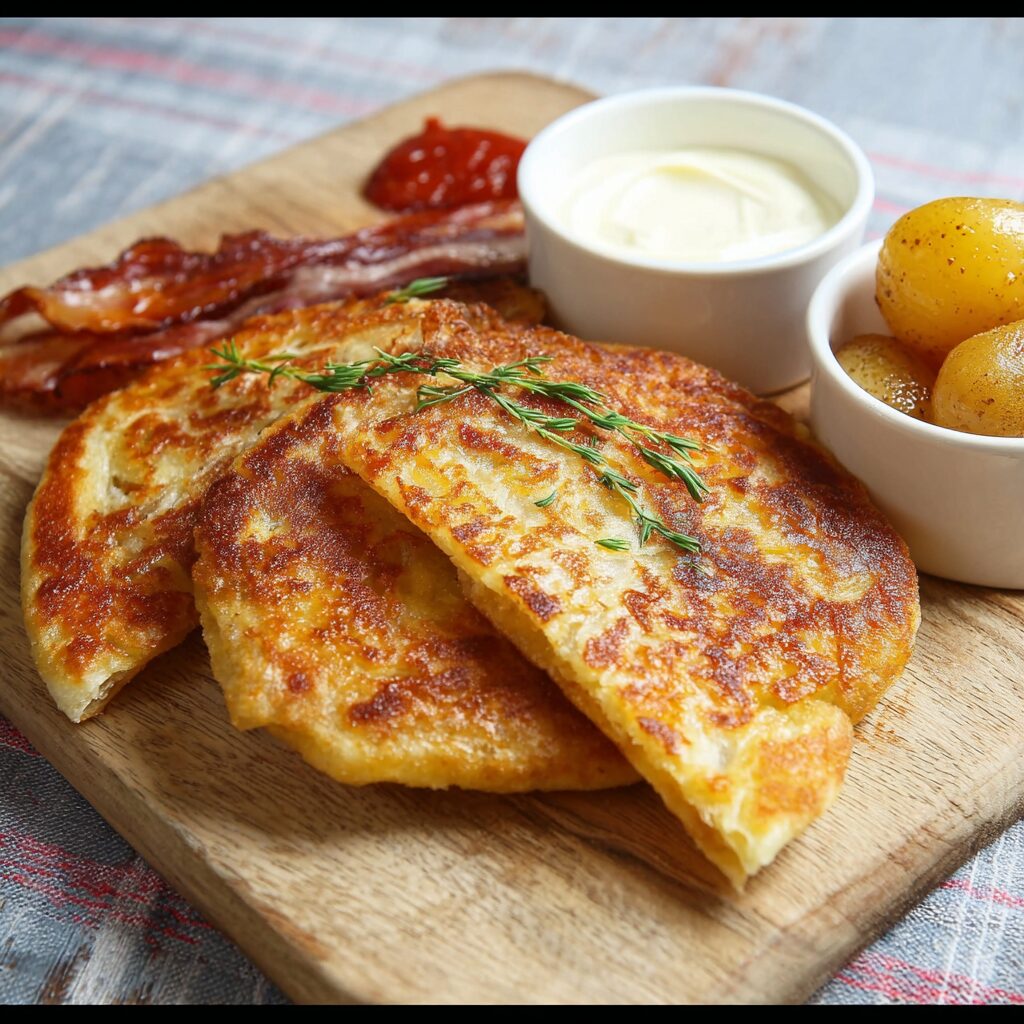
Deliciously Traditional Irish Potato Farls Recipe
Ingredients
Method
- Peel and chop your potatoes and then weigh them for the recipe.
- Steam or boil the cubed potatoes in a medium pot until tender, roughly 20-25 minutes.
- Remove the potatoes from the pot and place them in a sieve over a bowl, allowing them to dry off slightly for 5 minutes.
- While still hot, pass the potatoes through the sieve to yield light, fluffy potatoes.
- Into the potatoes, add in the flour, salt, pepper, and melted butter. Stir the dough together until it forms a ball.
- Turn the dough onto a lightly floured surface and flatten it into an 8-inch round disc.
- Using a large knife, cut the disc into 6 pieces.
- Melt a big knob of butter in a large frying pan or skillet over medium heat until bubbling.
- Carefully add the potato farls and cook over medium heat for about 5 minutes or until a lovely golden brown.
- Flip them over and cook for another 4-5 minutes on the other side.
- Serve immediately while hot as part of a traditional Irish breakfast or simply on their own.
Tried this recipe?
Let us know how it was!Notes
Additional serving suggestions: pair with a crisp salad, garlic bread, or roasted seasonal vegetables for balance.
For make-ahead, prep components separately and assemble just before heating to preserve texture.
Taste and adjust with acid (lemon/vinegar) and salt right at the end to wake up flavors.