Introduction
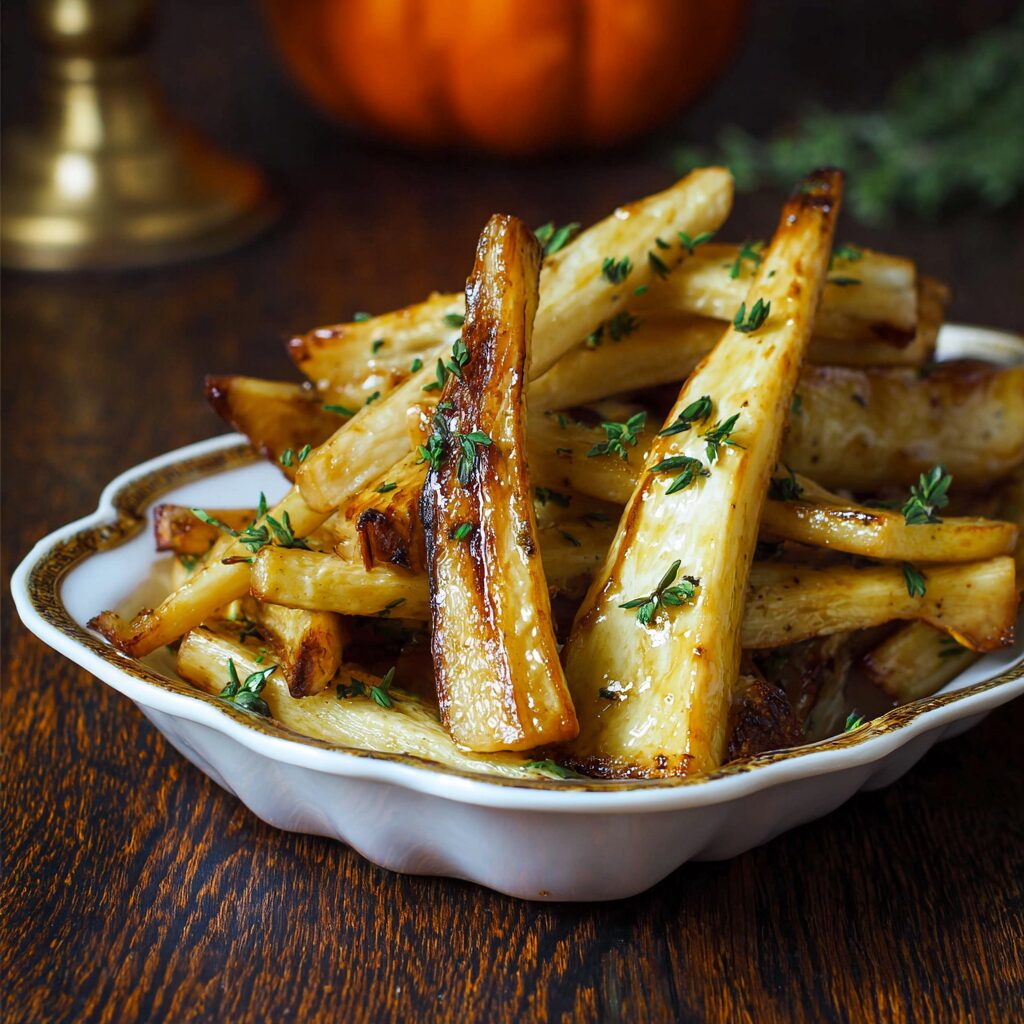
Cider roasted parsnips are a delightful and unexpected side dish that can elevate any meal. Their natural sweetness, enhanced by the warm notes of apple cider, makes them a perfect companion for fall and winter dinners. Whether you’re hosting a holiday feast or simply looking to enjoy a comforting weeknight meal, these roasted parsnips are sure to impress.
With their buttery texture and caramelized edges, parsnips transform in the oven, becoming tender and flavorful. The addition of apple cider creates a glaze that infuses each piece with depth, while a hint of vinegar adds just the right touch of acidity to balance the sweetness. It’s a simple yet effective way to showcase this often-overlooked root vegetable.
Ingredients
- 2 lb parsnips
Parsnips are the star of this dish, providing a sweet, earthy flavor. When roasted, their natural sugars caramelize, resulting in a tender and slightly nutty side that pairs beautifully with the apple cider glaze. - 3 cups apple cider
Apple cider adds sweetness and depth to the dish, infusing the parsnips with flavor as they roast. It also serves as the base for the glaze that coats the vegetables during the final stages of cooking. - ¼ cup brown sugar
Brown sugar enhances the caramelization process, giving the roasted parsnips a richer flavor. It also contributes to the syrupy consistency of the cider reduction, adding a touch of sweetness. - 2 tbsp apple cider vinegar
Apple cider vinegar balances the sweetness of the dish and adds a zesty kick to the glaze. This acidity enhances the overall flavor profile, preventing the dish from becoming overly sweet. - 2 tbsp butter
Butter adds richness and a creamy texture to the glaze, making it luxurious and satisfying. It helps to meld the flavors together, providing a smooth finish to the dish. - ¾ tsp kosher salt
Salt enhances the natural flavors of the parsnips and cider, making them more vibrant. It’s essential for balancing the sweetness and providing depth to the dish. - ½ tsp black pepper
Black pepper adds a subtle spiciness that complements the sweetness of the parsnips and cider. It rounds out the flavors, creating a well-balanced dish.
Directions & Preparation
Step 1: Preheat the oven to 400℉. Prepare a baking sheet with non-stick spray.
Preheating your oven ensures even cooking from the start, which is crucial for roasting vegetables like parsnips. The non-stick spray helps prevent sticking and aids in even browning, allowing the parsnips to develop a nice caramelized exterior.
Step 2: Peel the parsnips and cut them into baton shapes.
Peeling the parsnips removes the outer layer, which can be tough and bitter. Cutting them into baton shapes ensures that they cook evenly, allowing for a consistent texture throughout. This shape also allows for maximum surface area, enhancing browning and flavor development.
Step 3: Transfer the parsnips to the baking sheet. Drizzle with olive oil and sprinkle with salt and pepper. Toss to coat.
Coating the parsnips with olive oil helps to promote moisture during roasting and enhances browning. Salt and pepper are essential for enhancing flavor, making the parsnips savory and delicious. Ensuring even coating will yield the best texture and taste.
Step 4: Roast the parsnips for 20 to 25 minutes until softened and starting to brown.
Roasting allows the parsnips to develop their natural sweetness through caramelization. Keep an eye on them to achieve a golden-brown color, which indicates they are perfectly cooked and flavorful. The soft texture is key to creating a satisfying bite.
Step 5: While the parsnips are roasting, prepare the cider reduction glaze.
The glaze is what elevates the dish, so it's important to monitor this step closely. Reducing the cider with brown sugar thickens it into a syrupy consistency that clings to the parsnips. This step will deepen the flavor profile of your dish.
Step 6: Simmer the cider and brown sugar over high heat until reduced to 1/2 cup.
Simmering the mixture creates a concentrated flavor that enhances the sweetness and complexity of the glaze. Stirring occasionally ensures even cooking and prevents burning. The goal is a thick, syrupy glaze that will beautifully coat the parsnips.
Step 7: Whisk in the apple cider vinegar, butter, salt, and black pepper.
Incorporating the vinegar provides a necessary acid that counters the sweetness of the glaze. The butter adds richness, while salt and pepper enhance the depth of flavor. Whisking these ingredients creates a smooth, cohesive glaze that envelops the parsnips.
Step 8: Remove the parsnips from the oven, then pour the cider reduction evenly over them.
Adding the glaze at this point allows the parsnips to absorb the flavors without becoming soggy. The hot parsnips will start to caramelize further in the oven, ensuring they are fully coated in that sweet, tangy mixture.
Step 9: Return to the oven for another 10 – 12 minutes until bubbling and sticky.
This final roasting phase allows the glaze to set, becoming sticky and caramelized. Keep an eye on them to prevent burning. The bubbling indicates that the glaze is thickening and infusing the parsnips with flavor.
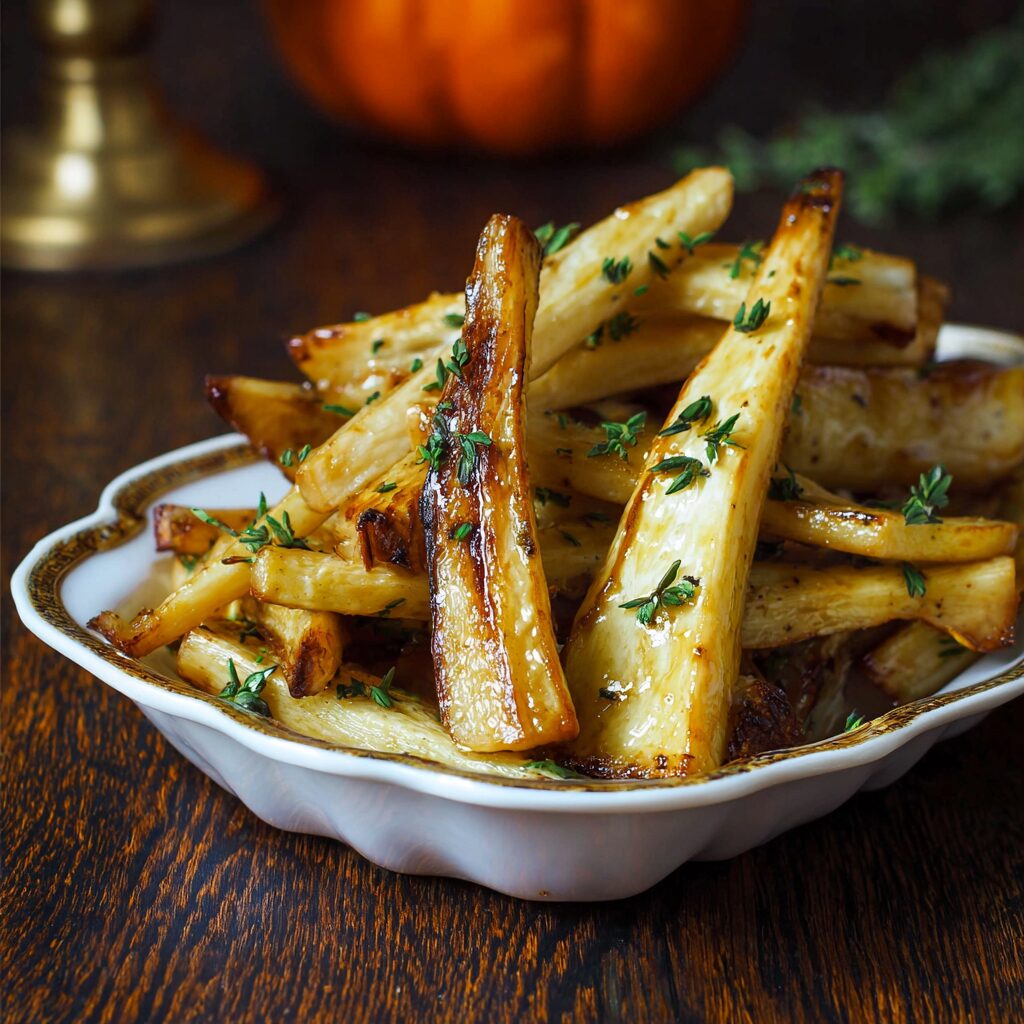
Step 10: Serve the parsnips on a platter, drizzled with any remaining glaze.
Plating the parsnips attractively highlights their beautiful caramelization. Drizzling with the remaining glaze not only adds visual appeal but also enhances the flavors in every bite. Garnishing with fresh herbs can add color and freshness.

The Magic of Caramelization
Caramelization is a fundamental cooking technique where sugars become more complex and flavorful when exposed to heat. As parsnips roast, their natural sugars caramelize, transforming them from simple root vegetables into savory, sweet bites of joy. This process enhances not only their taste but also their texture, resulting in beautifully browned and tender pieces that melt in your mouth.
Crafting the Perfect Glaze
A well-crafted glaze can transform any vegetable dish, and the cider reduction is no exception. By simmering apple cider with brown sugar, you not only concentrate the flavors but also create a sticky, clinging texture that coats each parsnip perfectly. Incorporating vinegar into the mix adds much-needed acidity, balancing the sweetness and enhancing the overall flavor profile, making every bite memorable.
Pairing Suggestions for Every Season
Cider roasted parsnips are incredibly versatile and complement a wide range of main courses, from roasted poultry to hearty beef dishes. They also shine alongside vegetarian offerings, such as quinoa salads or stuffed peppers. Add them to a holiday table with roasted meats or serve as part of a cozy autumn gathering. Their sweet and savory profile effortlessly bridges gaps between flavors, making them a seasonal staple.
FAQs
What if my glaze turns out too thick?
If the glaze is too thick, you can add a splash of water or additional apple cider while whisking to reach your desired consistency. Just heat it slightly to incorporate.
How can I enjoy cider roasted parsnips if I don’t have apple cider?
You can substitute apple cider with another sweet, fruity liquid, like pomegranate juice or apple juice, though the flavor may differ slightly. Adjust the sugar in the recipe accordingly.
What do I do if my parsnips are still firm after roasting?
If your parsnips are undercooked, simply return them to the oven for an additional 5 to 10 minutes. Check for tenderness by piercing with a fork.
Can I use this recipe with other root vegetables?
Absolutely! This cider glaze works well with carrots or sweet potatoes, although cooking times may vary depending on the vegetable. Adjust accordingly.
How do I adjust the recipe for a larger crowd?
To scale the recipe, simply multiply the ingredients based on your desired servings. Ensure you have a large enough baking sheet to keep the parsnips in a single layer for even roasting.
Is it possible to make a vegan version of this recipe?
Yes! You can replace butter with a plant-based alternative, like olive oil or vegan butter, without significantly altering the final flavor.
Conclusion
Cider roasted parsnips are more than just a side dish; they embody the comforting flavors of autumn and winter. Their sweetness, combined with the complexity of the cider glaze, creates a dish that feels special and satisfying.
Whether served during a holiday gathering or as an everyday complement to your meals, these roasted parsnips are bound to become a favorite in your home. Embrace the flavors of the season with this delightful recipe and enjoy the warmth it brings to your dining table.
Recipe Card
Deliciously Sweet Cider Roasted Parsnips
Ingredients
Method
- Preheat the oven to 400℉. Prepare a baking sheet with non-stick spray.
- Peel the parsnips and cut them into baton shapes.
- Transfer the parsnips to the baking sheet. Drizzle with olive oil and sprinkle with salt and pepper. Toss to coat.
- Roast the parsnips for 20 to 25 minutes until softened and starting to brown.
- While the parsnips are roasting, prepare the cider reduction glaze.
- Simmer the cider and brown sugar over high heat until reduced to 1/2 cup.
- Whisk in the apple cider vinegar, butter, salt, and black pepper.
- Remove the parsnips from the oven, then pour the cider reduction evenly over them.
- Return to the oven for another 10 – 12 minutes until bubbling and sticky.
- Serve the parsnips on a platter, drizzled with any remaining glaze.
Tried this recipe?
Let us know how it was!Notes
Additional serving suggestions: pair with a crisp salad, garlic bread, or roasted seasonal vegetables for balance.
For make-ahead, prep components separately and assemble just before heating to preserve texture.
Taste and adjust with acid (lemon/vinegar) and salt right at the end to wake up flavors.