Crème Brûlée French Toast
Introduction
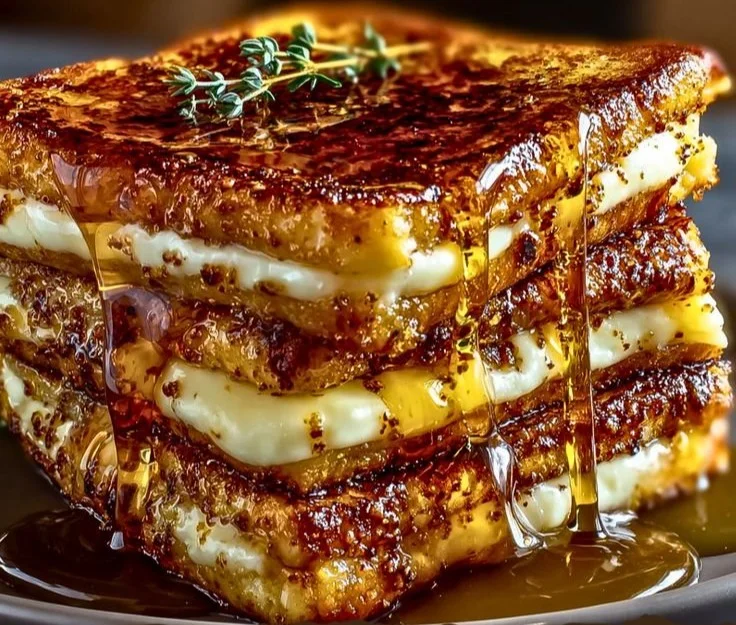
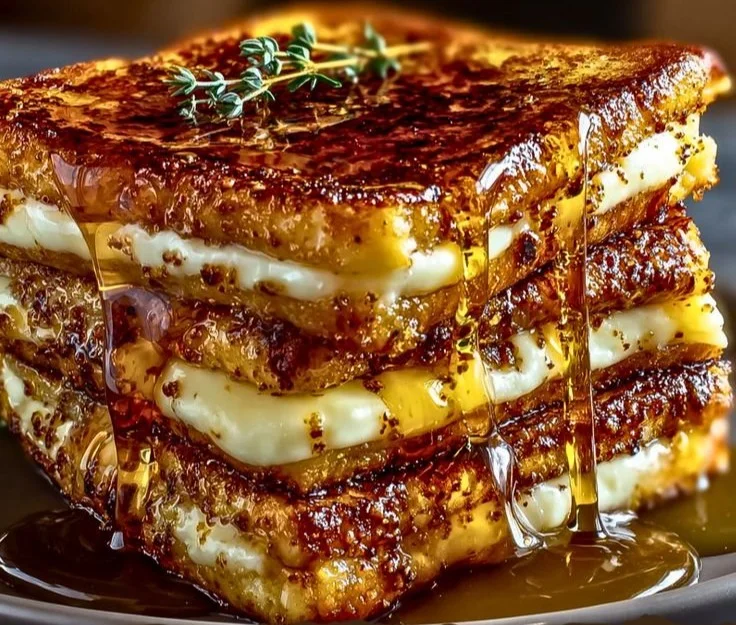
This Crème Brûlée French Toast takes the silky custard and caramelized top of a classic dessert and transforms it into a showstopping brunch. Rich, custardy slices of brioche bake into a creamy strata that finishes with a crackly, brûléed sugar crust—comfort with a touch of theatre.
A little advance soaking and a quick torching bring depth and texture; it’s an impressive weekend centerpiece that doesn’t demand complicated technique. For a playful touch to your brunch table presentation, consider a quirky visual flourish like a small GIF or animated card to set the mood: brunch theatrics inspiration.
Ingredients
4 large eggs, 1 cup heavy cream, 1 cup whole milk, 1/2 cup sugar, 1 teaspoon vanilla extract, 1/2 teaspoon salt, 8 slices of brioche bread, Brown sugar for caramelizing, Fresh fruit for garnish (optional)
-
4 large eggs
Eggs are the backbone of the custard, providing structure, richness, and the protein that sets the mixture when baked. They also add color and a silky mouthfeel when whisked thoroughly with dairy and sugar. -
1 cup heavy cream
Heavy cream lends the luxurious, rich texture that echoes classic crème brûlée; it helps the custard feel decadent and smooth. Its higher fat content resists curdling and yields a creamier set than milk alone. -
1 cup whole milk
Whole milk lightens the custard slightly compared with using only cream, balancing richness with a softer set. It also helps temper the custard so slices aren’t overly dense. -
1/2 cup sugar
Sugar sweetens the custard and contributes to browning during baking. Some sugar also dissolves into the custard for flavor while an extra layer is reserved for caramelizing on top. -
1 teaspoon vanilla extract
Vanilla brightens the custard with warm, floral notes that tie the dairy and sugar together. Use pure extract for the most natural, aromatic profile. -
1/2 teaspoon salt
Salt sharpens the flavors and prevents the custard from tasting flat; a little goes a long way in balancing the sweetness. It enhances the perception of creaminess and depth. -
8 slices of brioche bread
Brioche soaks and holds custard beautifully thanks to its tender crumb and egg-enriched dough—resulting in creamy interior slices without collapsing. Thick-cut slices work best to maintain texture after baking. -
Brown sugar for caramelizing
Brown sugar melts into a glossy, slightly molasses-flavored crust that crisps under a torch or broiler. It provides the signature crack and contrast to the soft custard beneath. -
Fresh fruit for garnish (optional)
Fresh berries or citrus segments add acidity, color, and a light counterpoint to the richness. They refresh the palate and make the plate visually inviting.
Directions & Preparation
-
In a large mixing bowl, whisk together the eggs, heavy cream, milk, sugar, vanilla extract, and salt until well combined.
Whisking until smooth ensures the custard is homogeneous so no watery pockets or lumps remain; this creates an even texture and consistent flavor. Whisk briskly to dissolve sugar and incorporate air for a lighter set. -
Arrange the brioche slices in a baking dish and pour the custard mixture over them, ensuring they are fully soaked. Cover and refrigerate for at least 2 hours or overnight.
Soaking lets the custard penetrate the bread fully, allowing each slice to set into a custardy interior rather than a dry center. Refrigeration lets the custard hydrate the brioche evenly and improves flavor melding—overnight gives the most consistent result. -
Preheat your oven to 350°F (175°C).
A properly heated oven promotes even baking and a gentle set without scrambling the custard. Preheating also ensures the dish starts cooking uniformly the moment it goes in, preventing under- or overcooked patches. -
Bake the soaked bread for about 30-35 minutes until it’s set and golden on top.
Baking develops structure and evaporates excess moisture so slices hold together when plated while remaining creamy inside. Check for a slight jiggle at the center—if it’s firm around the edges and a little tender in the middle, it’s ready. -
Remove from the oven and sprinkle a thin layer of brown sugar over the top.
A thin, even dusting of brown sugar is key to forming a crisp, glassy crust without making the top too sweet or sticky. Tap off excess and aim for a uniform layer so caramelization is consistent. -
Use a kitchen torch to caramelize the sugar until it’s golden and bubbly. If you don’t have a torch, you can place it under the broiler for a few minutes—watch it closely!
Torching melts sugar quickly to form the signature brittle crust while adding smoky notes from caramelization; the broiler can substitute but requires close attention to avoid burning. Rotate the dish under a broiler to caramelize evenly if needed. -
Serve warm, garnished with fresh fruit if desired.
Serving warm preserves the contrast between the hot, crunchy top and the cool, silky custard just underneath—this temperature contrast is central to the dish’s pleasure. Add fruit for brightness and a color pop.
Extra Sections
Choosing the Right Brioche
Brioche’s enriched dough soaks custard without falling apart; look for slices about 3/4-inch thick that are slightly stale or toast them lightly before soaking. Sturdier slices prevent a mushy finish and keep the custard ratio balanced across the slice.
Caramelization Techniques and Timing
Torching is precise and fast, giving control over color and texture; if using a broiler, position the rack close and watch for 30–90 seconds. The caramelized sugar should be amber with tiny bubbles—too long and it will taste bitter, too short and it will be sticky rather than crisp.
Garnishes That Complement the Custard
Bright, acidic fruits like raspberries, lightly macerated strawberries, or a citrus segment cut the richness and add freshness. Consider a dusting of powdered sugar or a few mint leaves for contrast; small toasted nuts add crunch without overwhelming the custard.
FAQs
-
My custard is watery after baking — why?
If the custard hasn’t set, it may need more bake time or the custard ratio could be too thin. Return it to the oven for 5–10 minutes; if sogginess persists, bake a little longer at lower heat until it holds shape. -
The brûléed top went soft quickly — what happened?
Excess steam from the still-warm custard can soften the caramel layer. Allow the dish to rest 5–10 minutes after torching so the sugar cools slightly and sets firmly. -
Can I scale this for a crowd?
Yes. Multiply ingredients proportionally and use a larger baking dish, increasing baking time slightly for deeper pans. For efficiency, bake two trays or use an air-stable hotel pan and torch in sections. -
My sugar browned unevenly under the broiler — any tips?
Uneven browning often comes from inconsistent sugar thickness or hot spots in the oven. Spread sugar evenly and rotate the pan quickly while under the broiler; a torch reduces this issue. -
I prefer less sweet—how can I reduce sugar without losing texture?
Reduce the custard sugar by up to one-quarter and rely on the brûlée layer for surface sweetness. You can also use a mix of white and a little brown sugar to maintain caramel flavor with less overall sweetness. -
What if my slices are too dense after soaking?
Dense results stem from over-soaking or very soft bread. Use slightly stale brioche and do not leave slices submerged too long; allow some custard to be absorbed but not saturate until falling apart. -
Can I substitute milk/cream for dairy-free options?
Use a full-fat plant cream and an unsweetened plant milk for a dairy-free version; expect a slightly different mouthfeel and adjust sweetening to taste. The setting may be a touch looser without dairy fat. -
How do I prevent the custard from curdling when whisking or baking?
Avoid overheating the custard during whisking and bake at moderate temperature. If combining very hot cream with eggs, temper by slowly adding hot liquid while whisking to avoid scrambling.
Conclusion
This recipe balances a rich, baked custard with the iconic crack of caramelized sugar—an elegant dish that’s both comforting and celebratory. For a version to compare with, you can see a similar recipe and technique notes at Crème Brûlée French Toast Recipe – Allrecipes. If you want another take for inspiration or plating ideas, check out Creme Brulee French Toast – AnotherFoodBlogger.
Enjoy the fragrant vanilla, the warm custard, and that satisfying caramel crack—this dish rewards a little prep with unforgettable brunch moments.
Print
Crème Brûlée French Toast
- Prep Time: 120 minutes
- Cook Time: 35 minutes
- Total Time: 155 minutes
- Yield: 4 servings 1x
- Category: Breakfast
- Method: Baking
- Cuisine: French
- Diet: Vegetarian
Description
This showstopping Crème Brûlée French Toast combines the custard and caramelized sugar crust of the classic dessert into a delightful brunch dish.
Ingredients
- 4 large eggs
- 1 cup heavy cream
- 1 cup whole milk
- 1/2 cup sugar
- 1 teaspoon vanilla extract
- 1/2 teaspoon salt
- 8 slices of brioche bread
- Brown sugar for caramelizing
- Fresh fruit for garnish (optional)
Instructions
- In a large mixing bowl, whisk together the eggs, heavy cream, milk, sugar, vanilla extract, and salt until well combined.
- Arrange the brioche slices in a baking dish and pour the custard mixture over them, ensuring they are fully soaked. Cover and refrigerate for at least 2 hours or overnight.
- Preheat your oven to 350°F (175°C).
- Bake the soaked bread for about 30-35 minutes until it’s set and golden on top.
- Remove from the oven and sprinkle a thin layer of brown sugar over the top.
- Use a kitchen torch to caramelize the sugar until it’s golden and bubbly, or place it under the broiler for a few minutes—watch closely!
- Serve warm, garnished with fresh fruit if desired.
Notes
For best results, use slightly stale brioche and allow adequate soaking time for the custard to penetrate the bread.
Nutrition
- Serving Size: 1 slice
- Calories: 350
- Sugar: 20g
- Sodium: 400mg
- Fat: 22g
- Saturated Fat: 13g
- Unsaturated Fat: 5g
- Trans Fat: 0g
- Carbohydrates: 35g
- Fiber: 1g
- Protein: 8g
- Cholesterol: 180mg
Keywords: French toast, brunch, dessert, custard, caramelized sugar