Introduction
Sugar cookies are a classic treat, adored for their simplicity and versatility. With their tender, buttery texture, they can easily become the highlight of any gathering. The magic lies in balancing the right ingredients to achieve that perfect sweetness without overwhelming the palate.
Whether you prefer them plain, dusted with sugar, or decorated with colorful frostings, these cookies provide endless opportunities for creativity. In just a few straightforward steps, you can master a recipe that ensures delicious results, delighting both friends and family at your next baking session.
Ingredients
- 1/2 cup unsalted butter, at room temperature
Unsalted butter is crucial for flavor and texture. Using room temperature butter allows it to blend smoothly with sugar, helping to create an airy and light dough that results in cookies that are both soft and chewy. - 1 cup granulated sugar
Granulated sugar is responsible for sweetness and the crisp edges of the cookies. It also aids in the browning process during baking, providing that golden hue and enhancing the overall flavor profile. - 1 large egg
Eggs contribute to the cookie's structure and moisture. They bind the ingredients together and add richness, while also helping the cookies to rise and achieve a delightful texture. - 1 1/2 teaspoons vanilla extract
Vanilla extract adds a warm, aromatic flavor that enhances the sweetness of the cookies. It's a staple in baking that elevates the taste of each bite, making them more appealing. - 1/4 teaspoon almond extract
Almond extract offers a unique flavor that complements the vanilla. It brings a subtle nuttiness and depth that sets these sugar cookies apart from the traditional, creating a richer sensory experience. - 1 3/4 cups all-purpose flour
All-purpose flour is essential for providing structure to the cookies. It absorbs moisture and helps maintain their shape, ensuring they don't spread too much during baking. - 1/2 teaspoon salt
Salt enhances the overall flavor of the cookies, balancing the sweetness. It acts as a critical flavor enhancer, making the sweet notes stand out more prominently in each cookie. - 1/2 teaspoon baking powder
Baking powder is a leavening agent that helps the cookies rise slightly while baking. This lightening effect contributes to a soft, tender crumb, resulting in cookies that aren't overly dense.
Directions & Preparation
Step 1: In a large mixing bowl, cream together the softened butter and granulated sugar until light and fluffy.
This first step is crucial as it incorporates air into the mixture. Beating the butter and sugar together creates a light texture in your cookies, essential for achieving that tender crumb. Make sure to scrape down the sides of the bowl to ensure even mixing.
Step 2: Add the egg, vanilla extract, and almond extract, and beat until fully incorporated.
Mixing in the wet ingredients ensures they blend well, resulting in a uniform dough. The egg connects the fat and sugar with the dry ingredients, adding both moisture and structure. Beat this mixture until it’s just combined to avoid overmixing, which can lead to tougher cookies.
Step 3: In a separate bowl, whisk together the flour, salt, and baking powder.
Whisking these dry ingredients together beforehand ensures an even distribution of the baking powder and salt. This step is essential to ensure that every cookie has a consistent texture and rise, avoiding any pockets of salt or baking powder.
Step 4: Gradually add the dry mixture to the wet mixture, mixing gently until just combined.
Incorporating the flour mixture gradually allows for better control over the dough's consistency. Stir gently until you no longer see streaks of flour. Overmixing at this stage can develop gluten and lead to dense cookies, which we want to avoid.
Step 5: Wrap the dough in plastic wrap and refrigerate for at least one hour.
Chilling the dough is vital for flavor and texture development. It firms up the butter, which prevents the cookies from spreading too much as they bake, resulting in a thicker, more desirable consistency.
Step 6: Preheat your oven to 350°F (175°C) and line baking sheets with parchment paper.
Preheating the oven is necessary to ensure even cooking from start to finish. Lining the sheets with parchment helps prevent sticking and allows for easy removal of the cookies once they are baked.
Step 7: On a floured surface, roll out the chilled dough to a thickness of about 1/4 inch, and cut out desired shapes.
Rolling the dough to the right thickness is important for consistency in baking times. A uniform thickness allows for even baking, ensuring that no cookies are over or undercooked. Use a floured surface to avoid sticking.
Step 8: Place the cut-out shapes onto the prepared baking sheets and sprinkle with colored sugar, if desired.
Adding colored sugar at this stage not only enhances the visual appeal but also adds a slight crunch. Position the cookies with enough space between them to allow for spreading without merging into one another.
Step 9: Bake in the preheated oven for 8-12 minutes, or until the edges are lightly golden.
Baking times can vary depending on the size of the cookies. Keep a close eye on them, as the edges should be golden, while the centers might still look soft. This contrast is key to achieving that soft-baked interior.
Step 10: Let the cookies cool on the baking sheets for 5 minutes before transferring to a wire rack to cool completely.
Cooling the cookies briefly on the sheets allows them to firm up slightly before moving them. Transferring them to a wire rack ensures they cool evenly, which is important to maintain their texture and avoid sogginess.

Flavor Variations for Sugar Cookies
While the classic sugar cookie is delicious on its own, it's fun to play around with flavors. Try adding a teaspoon of citrus zest, such as lemon or orange, to introduce a refreshing twist. Alternatively, consider incorporating spices like cinnamon or nutmeg for a cozy and warm note, perfect for the fall season. Experimenting with different flavor extracts can also lead to delightful surprises.
Decorating Ideas for Festive Occasions
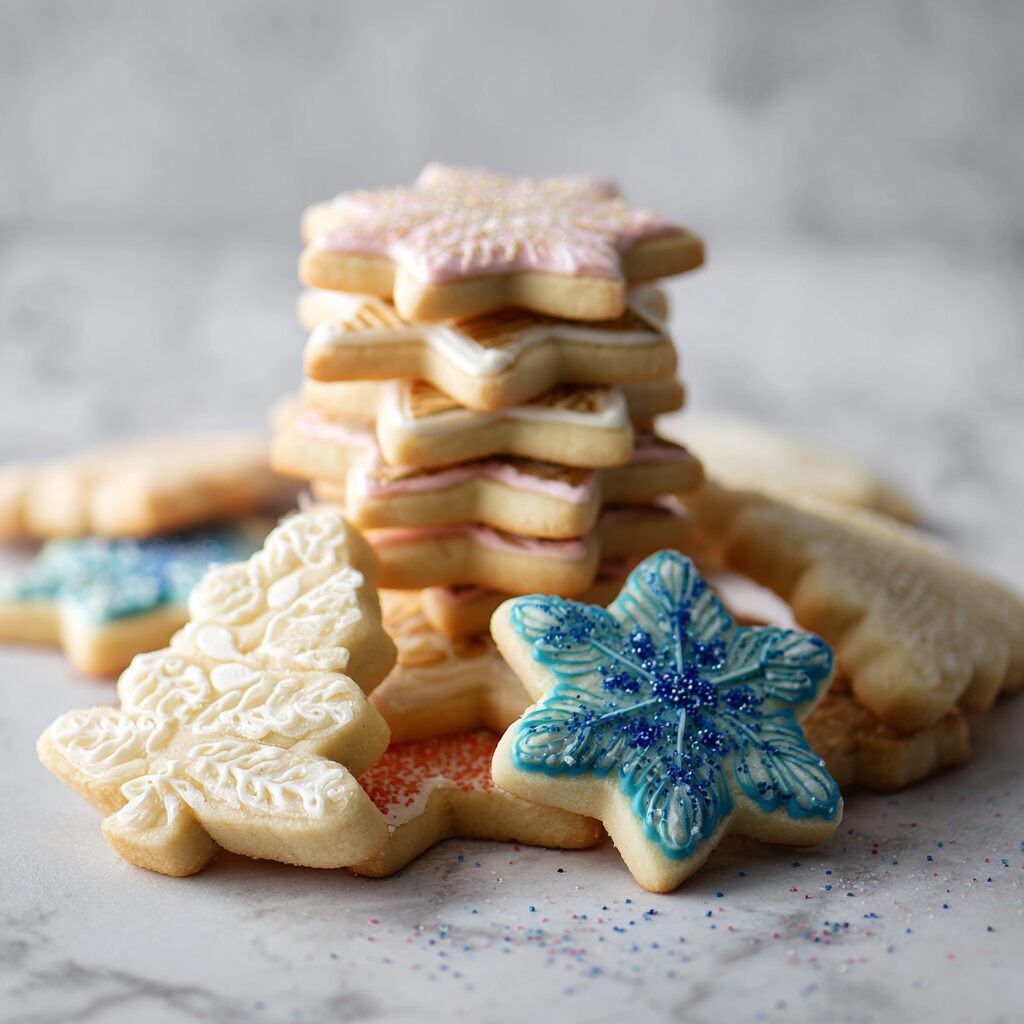
Sugar cookies are a blank canvas when it comes to decoration. Use royal icing for intricate designs or simply glaze them with a mixture of powdered sugar and milk for a smooth finish. Colored sprinkles or edible glitter can add a festive touch for holidays or birthdays. You can also pipe designs onto the cookies or adorn them with chocolate drizzle for an eye-catching treat that’s sure to impress.
The Science of Soft vs. Crisp Cookies
The texture of sugar cookies can be tweaked by altering the baking time and temperature. For softer cookies, slightly underbake them, while for crispier ones, bake longer. The ratio of ingredients also plays a role; a higher sugar content generally produces a chewier texture, while more flour will result in a lighter, crispier cookie. Understanding these nuances allows you to customize your cookie to your preferred texture.
FAQs
What if my dough is too thick to roll out?
If the dough is too thick, it likely needs a bit more moisture. Try adding a teaspoon of milk to soften it, mixing gently until it reaches a workable consistency.
Why do my cookies spread too much during baking?
Excessive spreading can occur if the dough is too warm or if there isn’t enough flour. Ensure your dough is chilled and that you measured your flour accurately to avoid this issue.
How can I ensure my cookies aren't bland?
Proper seasoning is important; make sure to include salt to enhance flavors. Additionally, consider adding a bit more vanilla or almond extract for a more pronounced flavor profile.
Can I substitute the granulated sugar with brown sugar?
Yes, you can substitute brown sugar, which will result in a chewier cookie. However, the flavor may become richer and more caramel-like; adjust the quantities based on your taste preference.
What causes sugar cookies to become hard?
Overbaking is often the culprit for hard cookies. Keep an eye on them and remove them from the oven as soon as the edges turn golden while the centers still appear slightly soft.
Can I use a different type of flour in this recipe?
You could use a gluten-free all-purpose flour blend, but results may vary. Make sure the blend includes binding agents to replicate the structural qualities of all-purpose flour.
Conclusion
By following these simple steps, you can create delicious sugar cookies that are sure to be a hit in your home. With slight adjustments, you can experiment with flavors and decorations, making each batch unique.
Whether enjoyed plain or dressed up for special occasions, these sugar cookies offer a delightful treat that brings joy and warmth to any gathering. Happy baking!
Recipe Card

Creating Perfectly Soft and Chewy Sugar Cookies
Ingredients
Method
- In a large mixing bowl, cream together the softened butter and granulated sugar until light and fluffy.
- Add the egg, vanilla extract, and almond extract, and beat until fully incorporated.
- In a separate bowl, whisk together the flour, salt, and baking powder.
- Gradually add the dry mixture to the wet mixture, mixing gently until just combined.
- Wrap the dough in plastic wrap and refrigerate for at least one hour.
- Preheat your oven to 350°F (175°C) and line baking sheets with parchment paper.
- On a floured surface, roll out the chilled dough to a thickness of about 1/4 inch, and cut out desired shapes.
- Place the cut-out shapes onto the prepared baking sheets and sprinkle with colored sugar, if desired.
- Bake in the preheated oven for 8-12 minutes, or until the edges are lightly golden.
- Let the cookies cool on the baking sheets for 5 minutes before transferring to a wire rack to cool completely.
Tried this recipe?
Let us know how it was!Notes
Additional serving suggestions: pair with a crisp salad, garlic bread, or roasted seasonal vegetables for balance.
For make-ahead, prep components separately and assemble just before heating to preserve texture.
Taste and adjust with acid (lemon/vinegar) and salt right at the end to wake up flavors.